
Using BIM technology to optimize various operational processes during the prefabricated construction phase offers practical solutions for managing prefabricated building projects. Effective cost control during this phase is crucial, as it directly impacts the safety, quality, schedule, and overall budget of the construction project.
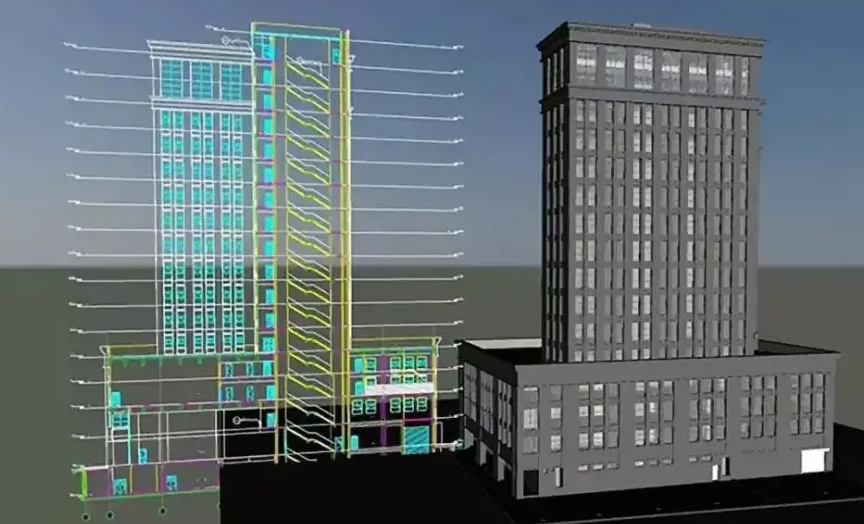
1. Construction Preparation
Traditionally, the installation of prefabricated components relies heavily on labor teams, whose understanding of the components is often limited. This can lead to installation errors, resulting in rework and increased project costs. BIM technology addresses these challenges effectively during the prefabricated construction stage. For example, before construction begins, Fuzor software is used to create lifting simulations for prefabricated components. These animations are converted into QR codes and attached to the components, allowing workers to scan and access detailed installation guidance directly on-site. This approach minimizes errors, reduces secondary construction, and enhances overall efficiency.
2. Component Installation
Construction sites often face space constraints, causing various types of prefabricated components to be stacked together. This can make it difficult to locate or properly lift components, hindering construction progress. By integrating BIM with RFID technology, these issues can be effectively mitigated. Project managers can track individual components within the BIM database to pinpoint their exact locations, preventing misplacement or lifting errors during installation. This system significantly boosts construction efficiency and reduces delays.
3. Integrated Management
Building on a 3D model of the prefabricated structure, BIM5D incorporates time and resource parameters to enable dynamic control over resource allocation and construction scheduling. This advanced model links a BIM5D pricing list with WBS (Work Breakdown Structure) nodes, creating a comprehensive cost budgeting and real-time cost monitoring database. Managers can compare planned versus actual progress at any stage, review personnel, material, and equipment usage, and access detailed cost breakdowns for each sub-project. Additionally, they can analyze discrepancies in scheduled and actual costs or progress, allowing them to identify issues promptly and implement corrective actions, ensuring effective cost control throughout the project.
In summary, BIM technology offers powerful tools for cost control during the construction phase of prefabricated buildings. We hope this overview provides valuable insights to help improve your project management practices.
















Must log in before commenting!
Sign Up