
Given the current low level of informatization in construction project resource management, Building Information Modeling (BIM) technology emerges as an effective solution to address these challenges. Below, we explore its potential applications:
1. 4D Virtual Technology
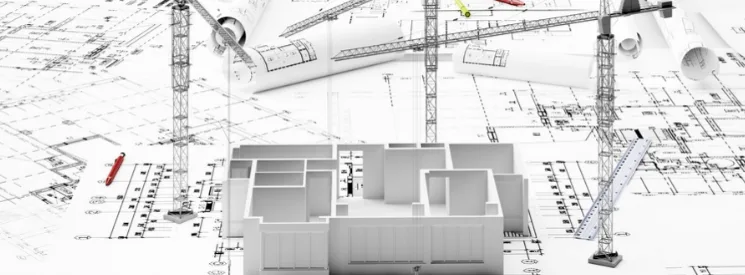
This technology enables the simulation of the construction process by creating a 3D visual model of the building’s appearance and its surrounding environment. This allows potential issues during construction to be detected and resolved in advance. Within the simulated construction model, all construction resources are fully represented, enabling project teams to analyze resources in detail.
By simulating the construction process, it becomes possible to implement visual management of various construction resources. Because the volume of resources during construction is substantial, using BIM technology to optimize resource management plans helps reduce waste.
4D virtual technology provides a clear understanding of construction sequencing and critical phases for each node, facilitating scientifically developed resource scheduling plans. This reduces discrepancies between planned and actual construction progress. Additionally, it allows for feasibility analysis of construction plans and efficient allocation of resources, resulting in improved efficiency and quality.
2. Robust Data Management
Construction resource management involves handling a vast amount of interrelated data across various processes. Effective data management is essential to maintain smooth operations and ensure resources are allocated rationally, ultimately enhancing construction efficiency.
Traditional data management methods largely depend on manual recording and accounting, which are time-consuming and prone to errors. This often leads to discrepancies between calculated and actual data.
BIM-based information exchange platforms strengthen communication between departments and processes, enhancing the management of construction resource data. Modern information technology can be used to compare on-site physical conditions with the model data, ensuring construction progresses in an orderly manner.
Given the volume of data involved, storage is a significant challenge. Distributed storage is a common approach, separating geometric and non-geometric data across different servers while maintaining their relationship, enabling seamless BIM data exchange.
In summary, BIM technology plays a vital role in construction site management by improving visualization, planning, data handling, and communication. We hope this overview proves helpful to you!
















Must log in before commenting!
Sign Up