
BIM models encompass various stages, including planning, design, construction, and completion and delivery. Generally, these models are categorized into building models, structural models, and electromechanical models. Many users familiar with BIM technology understand that it represents building components through parameterized objects. These objects carry detailed information, making it easier to grasp their relationships within the overall building model. In this article, we will explore the different types of BIM models.
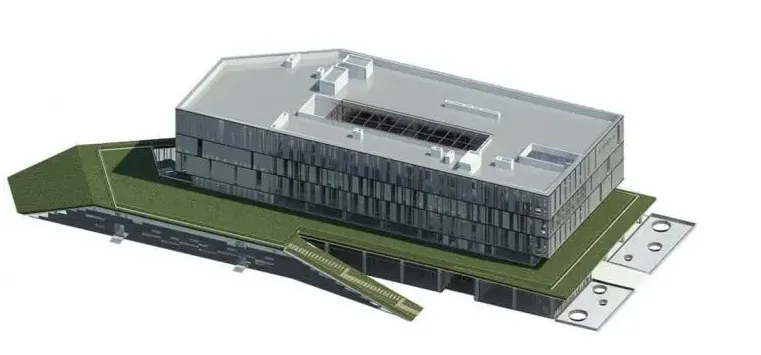
1. Planning Stage Model
The planning stage model focuses on early site assessment and macro-level analysis. It establishes a broad model that includes the site’s boundary lines, zoning, and road layout. This model supports visual simulation analyses during site planning and design, providing a foundation for selecting evaluation schemes. Additionally, it develops simulations for building performance and traffic flow, creates a 3D building volume model, and conducts specialized analyses on visibility, lighting, sunlight, evacuation routes, noise levels, energy efficiency, emissions, and traffic impact.
2. Design Phase Model
The design phase model involves comprehensive optimization and spatial verification, particularly for pipeline layout. It incorporates BIM applications for detailed interior decoration, steel structure detailing, and curtain wall design. This phase also includes engineering quantity statistics, QR code-based parking space display systems, and vehicle lane simulations.
3. Construction Phase Model
During construction, the BIM model provides on-site installation guidance through visualization, integrates tilted photography with sand table models, and offers 3D site layouts. It also manages construction schedules, positioning of reserved and embedded elements, and overall 3D layout planning to enhance construction efficiency.
4. Completion and Delivery Model
The completion and delivery model verifies as-built drawings and final data, producing a comprehensive BIM completion model. This model is refined and integrated based on the construction phase model, ensuring a complete and accurate representation of the finished project.
BIM modeling technology enables intuitive simulation and analysis of complex building processes. It supports 3D modeling of intricate construction workflows, utilizes database-driven model parameters, and integrates intelligent equipment. By simulating on-site construction conditions in advance, BIM helps prevent potential hazards, safety issues, and fire risks. It also facilitates the reasonable sequencing of construction activities, ultimately improving site management and project outcomes.
This overview covers the primary types of models included in construction BIM. We hope this article provides valuable insights for everyone interested in BIM technology!
















Must log in before commenting!
Sign Up