
The core idea of Building Information Modeling (BIM) is to leverage digital technology to create a comprehensive and consistent engineering information database for BIM models. This 3D model, enriched with detailed building engineering data, significantly enhances the integration and coordination of project information. But how exactly can we apply BIM effectively? Let’s explore together.
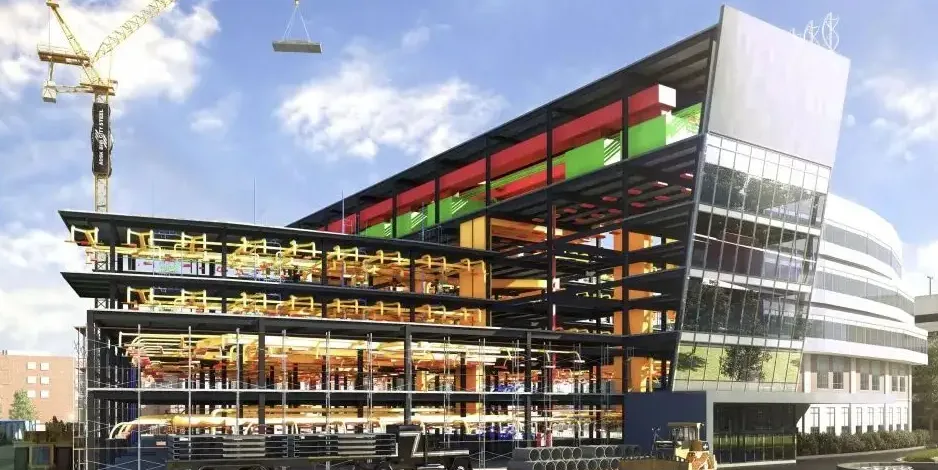
1. Construction Planning
Before construction begins, the project team’s construction plan can be integrated into BIM models for detailed construction drawing preparation, 4D progress visualization, and equipment hoisting simulations. This approach not only saves time by improving communication among various parties but also reduces safety incidents and minimizes uncertainties caused by design changes. As a result, construction timelines are shortened, costs are lowered, and the competitiveness of construction firms is enhanced. Many leading construction companies now use BIM for quantity takeoffs, making it a valuable tool for payment applications.
2. On-site Construction Reference
BIM models can be easily accessed on-site via laptops and mobile devices, serving as practical communication tools for construction simulations. For example, in large-scale projects with complex piping systems, traditional drawings often make it difficult for all teams to coordinate effectively. BIM models streamline this process by visually clarifying pipeline installations, reducing rework, and improving overall communication. Supervisors can also verify whether pipeline installations align with design plans directly through the BIM model, boosting efficiency on the construction site.
3. BIM Model Maintenance and Facility Management
Once construction is completed, a BIM as-built model reflecting the actual finished project can be delivered. This model serves as a foundational dataset for ongoing maintenance and operational management. Customized platforms can be developed based on the owner’s project management needs, covering three main areas: maintenance scheduling, asset management, and space management.
The key benefit of using BIM in maintenance is its 3D object-oriented spatial representation. Facility maintenance data can be continuously updated in the database, with easy access to historical records. Equipment repair workflows benefit from quick spatial tracking of pipelines, while asset management gains from integrated statistics and precise location data. BIM can even extend to commercial uses like mall leasing and sales management or hotel space administration.
In summary, these are the main ways BIM models can be utilized effectively. I hope this overview helps you better understand how to make the most of BIM technology!
















Must log in before commenting!
Sign Up