
With the widespread adoption and impressive achievements of BIM technology in the construction industry, the concept of BIM has gained broad recognition among professionals. It has been effectively applied in engineering project construction, yielding significant results. Its impact on construction enterprises can be summarized in three key areas:
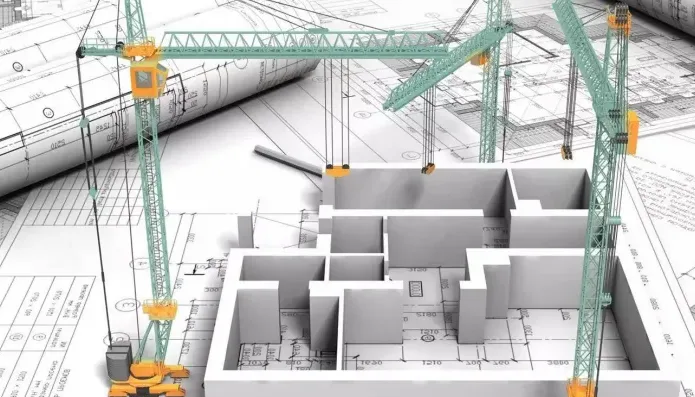
1. BIM Models Enable Parameterized Modeling, Enhancing Construction Budget Accuracy
BIM results from extensive verification and refinement within a visual design environment. During physical modeling, various construction elements are pre-designed with constraint parameters such as size, shape, and material. Consequently, the data exported from BIM components is highly reliable. Since the materials and equipment in BIM closely match their physical counterparts, this data can be directly applied to project budgeting, progress monitoring, and construction status, providing a solid foundation for investment decisions and project management.
Previously, designers relied on drawings for measurements, which often led to significant inaccuracies and errors. BIM models now automatically generate precise and dependable data, greatly improving the accuracy of project budgets and final accounts. On-site surveying and mapping of components were once common but faced challenges such as limited workspace, large volumes of components, and difficulties with vertical transportation. These factors increased surveying errors and resulted in a fragmented construction approach.
In contrast, BIM-exported data offers high precision. Prefabrication and processing of components are based on verified data, with professional software used to create detailed fabrication drawings. Each pipe section is assigned a unique identifier for logistics tracking and post-factory processing. This method not only reduces on-site drafting but also significantly enhances the accuracy and speed of component fabrication. It promotes an integrated, modular construction approach that effectively addresses previous challenges.
2. BIM Enhances Accuracy in Equipment Parameter Verification
Traditionally, when installing mechanical and electrical equipment, pipeline routes were often adjusted during detailed design and finishing, causing changes in the number of bends and affecting system reviews. BIM models provide precise initial data, allowing systems to be rechecked and recalculated accurately. This leads to more reliable system data and simplifies the selection of equipment parameters.
3. BIM Facilitates More Efficient Construction Coordination and Management
BIM enables seamless information sharing and four-dimensional simulation of construction progress. This technology supports remote project monitoring and establishes a collaborative information exchange platform for all project participants, enhancing communication and teamwork. Project stakeholders may include owners, general contractors, material suppliers, and design firms. For large, complex projects—such as the Shanghai Center and Tianjin Olympic Sports Center—BIM serves as a management platform that coordinates and oversees all construction units involved.
BIM technology represents the future of digital management in engineering project management. It employs digital methods to create, manage, and share information, profoundly influencing the entire construction industry. We hope this overview clarifies the vital role BIM plays in project management and assists you in understanding its benefits.
















Must log in before commenting!
Sign Up