
While BIM technology continues to gain momentum in China, questions remain about its true value. However, the adoption rate of BIM in China has reached unprecedented levels. This growth is driven not only by government support and mandatory regulations but also by the tangible benefits BIM offers to owners, designers, constructors, and maintenance teams.
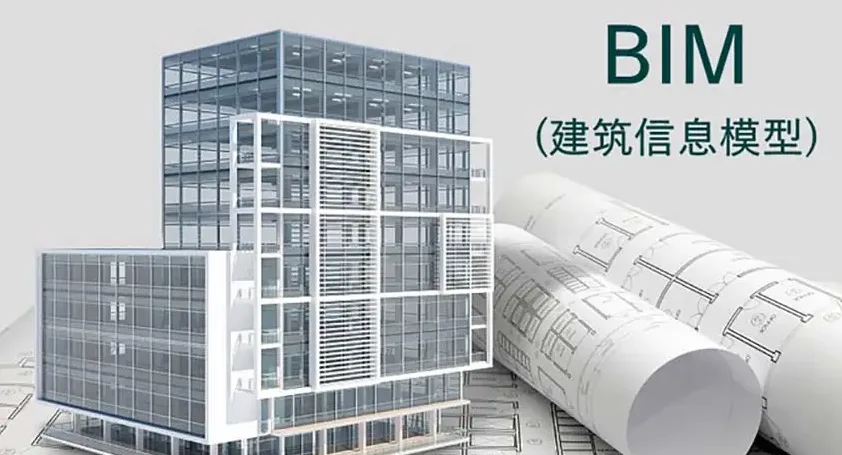
Here are some key advantages of BIM technology:
1. Visualization and Information Transparency: BIM enables the concept of “what you see is what you get.” It reveals issues that traditional 2D drawings cannot express or anticipate, helping to prevent costly rework and saving expenses for project owners.
2. Collaborative Multidisciplinary Design: BIM allows designers from various disciplines to work on a unified model. This collaboration eliminates duplicated efforts caused by communication delays or information errors between teams.
3. Efficient Construction Simulation and Energy Management: Through simulating construction processes, energy consumption, and clash detection, BIM reduces rework, cuts costs, shortens construction timelines, and minimizes energy use during building operation. This results in a more comfortable indoor environment for owners and lowers the workload for construction and operations personnel.
4. 5D Cost Budgeting: BIM integrates cost estimation directly within the information model, supporting green building initiatives and sustainable development policies. Fully implementing BIM aligns with the future direction of the construction industry.
As the world’s largest developing country, China’s technological capabilities in related fields now meet the demands of BIM technology. To accelerate progress in the construction industry, proactive adoption and application of BIM are essential. The benefits and impact of BIM on the development of domestic architecture are clear, and we hope this overview helps everyone understand its value.
















Must log in before commenting!
Sign Up