
The implementation of Building Information Modeling (BIM) is closely tied to the use of BIM software, which serves as the essential tool or platform for executing BIM processes. By leveraging this software, users can access functionalities that traditional building software simply cannot provide. Today, let’s explore the key features that define BIM software.
1. Parametric Design
Unlike traditional methods that rely on points, lines, surfaces, and symbols to construct a project, BIM software realistically represents both the exterior and interior aspects of a building through architectural components. Elements such as walls, doors, windows, ceilings, and handrails are modeled with accurate, real-world appearances and directly linked data. Modifying these components is straightforward and efficient, as changes to parameters are applied instantly. Additionally, BIM incorporates detailed information like quantities, costs, and attributes, which facilitates accurate project cost estimation and quantity tracking later on.
2. Interconnectivity
One of the defining advantages of BIM software over traditional architectural tools is its ability to maintain data relationships among components. While traditional software often requires manual consideration of how changes affect other parts—leading to errors and the need for redrawing—BIM software automatically updates related elements. For example, if the net height is adjusted, related components such as doors and windows are repositioned accordingly. This interconnectedness boosts efficiency, minimizes repetitive work, saves time, and reduces costs.
3. Unified Model
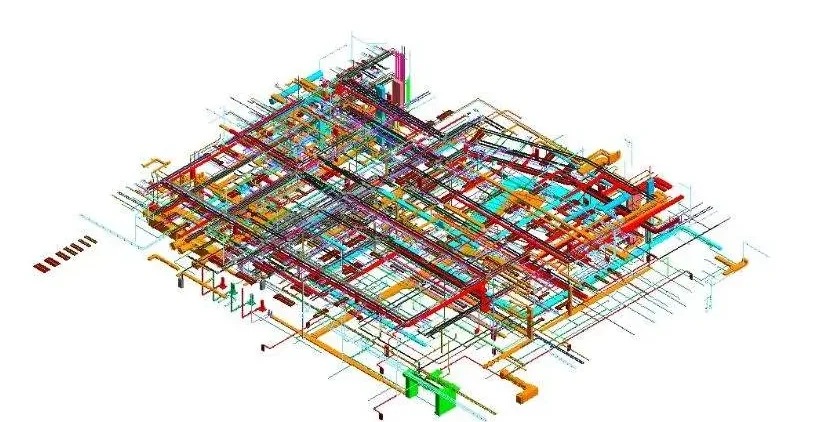
Traditional architectural workflows often demand multiple drawings from various perspectives—plans, elevations, sections, perspectives, details—to fully present a project. Each discipline and project phase typically generates separate drawings. BIM software consolidates all this information into a single, unified model, enabling professionals across different fields to access and share data seamlessly, significantly enhancing collaboration and coordination.
4. Highly Integrated Data
While traditional building software handles data as isolated segments lacking connectivity, BIM software integrates data from various project stages into a cohesive whole. By standardizing data exchange formats, BIM facilitates smooth data sharing and collaboration. It also combines core model data with extended external data, creating a comprehensive information environment that supports efficient project management.
5. Time Efficiency
In the era of traditional architectural software, designers often invest considerable time visualizing spaces, detecting errors or omissions, and producing construction documents. BIM software addresses these challenges effectively, dramatically improving design efficiency and shortening project timelines. This allows designers to focus more on building performance, quality, and sustainability, overcoming many limitations of older software.
In summary, BIM software stands out for its powerful data processing and analysis capabilities, aligning perfectly with today’s big data trends. It is poised to replace traditional building software as the industry standard. Only time will tell, but the future of BIM looks promising.
















Must log in before commenting!
Sign Up