
BIM technology can be utilized throughout various stages of construction projects. When effectively applied during the design phase, it ensures both the efficiency and quality of drawing designs.
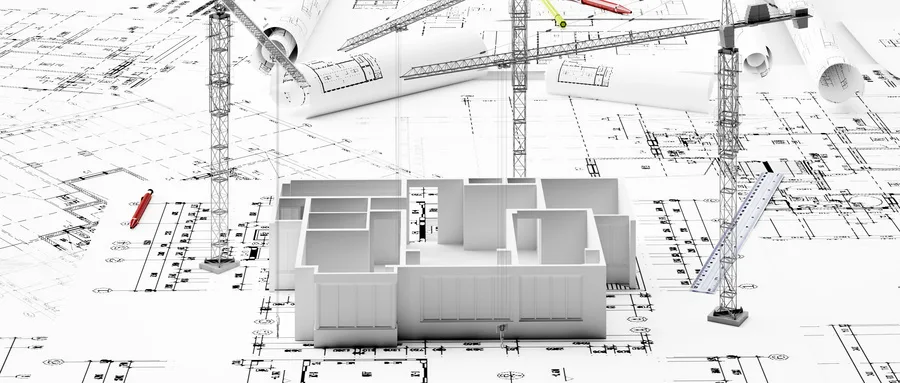
During the design phase, BIM models are created based on various specialties. Structural and architectural models are developed using Revit, while mechanical and electrical models are built with Magicad. By applying unified modeling standards, multiple systems can be collaboratively designed, significantly enhancing design efficiency.
The finalized BIM model is then integrated using Navisworks, where collision detection is performed to identify clashes between different disciplines early on. This automatic clash detection generates detailed reports highlighting conflicts across architectural, structural, HVAC, mechanical, electrical, communication, and fire protection systems.
Traditional construction design often faces challenges resolving conflicts among these disciplines, leading to time-consuming revisions. BIM models coordinate the spatial arrangements of all systems, eliminating clashes and greatly reducing design errors and omissions. This coordination shortens the overall design timeline.
Moreover, BIM modeling tools integrate with various analysis software to evaluate structural integrity, air flow, lighting, temperature control, sound insulation, water supply, and other critical factors. Insights from these analyses allow continuous refinement of the BIM model for optimal project performance.
If design changes are necessary, adjustments made to the BIM model automatically update all related plans and section views. This dynamic update capability significantly improves the efficiency of design modifications.
With its “what you see is what you get” functionality, the BIM model enables users to extract any plan or section view directly from the 3D building model. This capability greatly reduces the time required for drawing generation while ensuring accuracy.
















Must log in before commenting!
Sign Up