
BIM technology, as an emerging innovation, has captured widespread attention since its introduction in China and has gradually gained prominence over the years. Although its full potential has yet to be realized due to challenges related to standards, environment, and software, BIM undoubtedly represents a new direction for integrating information technology into China’s construction industry.
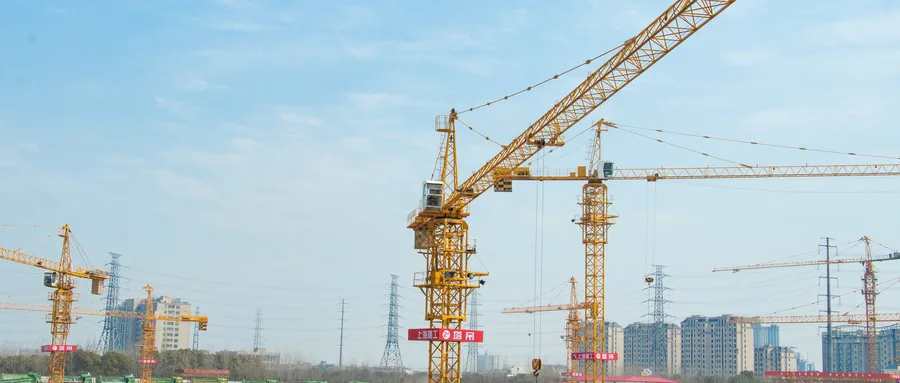
BIM encompasses the entire practical process throughout the lifecycle of a construction project. However, its value is not limited to the completion of the full process; it can also deliver phased benefits starting from the engineering design phase. With China’s rapid economic growth and escalating energy concerns, energy-efficient building design is becoming increasingly critical. In the near future, the integration of BIM with building energy analysis for green building design is expected to become more refined and mature. To advance, we must adopt an approach tailored to China’s unique context, grounded in reality, committed to practice, and open to exploration.
The advantages of applying BIM technology in construction project progress management are mainly reflected in two key areas. First, BIM ensures the completeness of building data. Thanks to its advanced image processing capabilities, BIM offers more than just simple visual representations; it stores detailed information including material selection, material dimensions, personnel allocation, and more, thereby guaranteeing comprehensive building data management. Second, BIM significantly enhances visibility and usability. Its core achievement is the creation of a visualized, three-dimensional model that allows architects and construction personnel to thoroughly inspect and manage every stage of the construction process. This also enables precise improvements, such as refining room locations and dimensions.
















Must log in before commenting!
Sign Up