
BIM technology seamlessly integrates information across all stages of a project, including planning, design (preliminary design, technical design, construction drawings), bidding, construction, operation, and management. Centered around parameterized 3D models, BIM maintains consistent information throughout the entire construction lifecycle—covering planning, design, construction, and operation. It helps ensure that modifications related to engineering quantities, costs, schedules, and other critical data are identified and addressed as early as possible, ideally before construction begins.
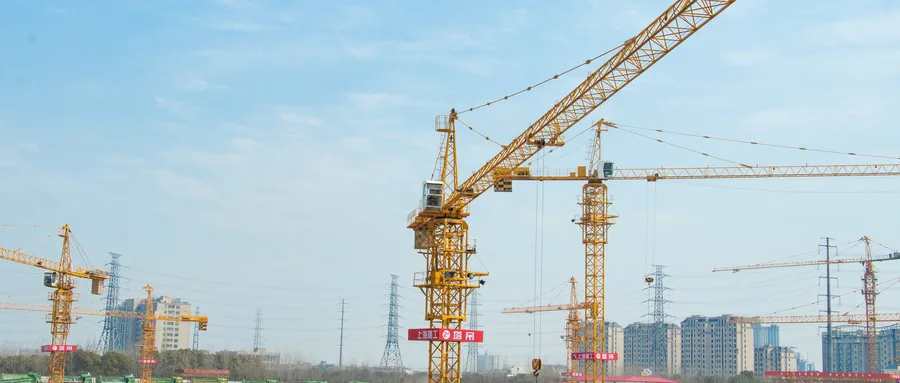
When applied during the construction phase, BIM uses 3D models to simulate the building process, which helps visualize complex projects. This approach enables early detection of design issues before construction begins, reducing waste and minimizing risks on site. Furthermore, integrating BIM with portable mobile devices and specialized software significantly enhances work efficiency, strengthens quality and safety management, and facilitates collaboration among multiple teams and disciplines.
BIM also breaks down project data into detailed components and material levels, providing more precise information. This granular data plays a crucial role in effectively controlling construction costs throughout the project. Additionally, BIM data management software enables seamless data sharing, improving communication, fostering closer collaboration, and enhancing management efficiency among all stakeholders involved in the construction process.
1. Faster and More Effective Project Decision-Making
BIM encompasses comprehensive information, including design and structural details, cost estimates, and scheduling data. This allows project owners to access key information instantly, enabling quicker and more informed decision-making throughout the project.
2. Enhanced Team Efficiency and Quality
BIM technology supports real-time responses to design changes or document updates, allowing project teams to focus more on critical aspects of the project. Its 3D models eliminate tedious, low-value repetitive tasks such as manual coordination and inspections. They automatically detect inconsistencies and omissions in 2D drawings, which improves review accuracy and efficiency.
Moreover, the BIM model automatically updates all project outcomes whenever changes occur, accelerating the creation of key deliverables and enhancing overall work quality.
3. Improved Communication and Reduced Management Costs
BIM models provide vital information on construction quality, safety, progress, and cost. Construction teams can quickly generate site usage plans or update schedules for owners, facilitating smoother communication and minimizing disruptions to ongoing operations. They can also perform building quantification for project evaluation, generating updated assessments and construction plans that make results easy to understand and analyze.
BIM significantly enhances the quality of documentation and construction planning, saving time and reducing expenses related to management during construction. This allows owners to allocate more resources and time directly to the building itself rather than administrative tasks, ultimately improving project quality.
4. Elevated Operational Management
Throughout the building’s operational phase, BIM provides synchronized information regarding building performance, equipment usage, energy efficiency, and financial data. The BIM construction model supports accurate financial tracking and offers digital update records, improving revenue and cost management.
Additionally, BIM assists with relocation management, environmental and energy analyses, comprehensive digital cost estimation, and planning for future updates, thereby enhancing overall operational management.
















Must log in before commenting!
Sign Up