
BIM (Building Information Modeling) is an architectural engineering information model that integrates various digital applications throughout the entire lifecycle of a construction project, utilizing three-dimensional digital technology. It offers design, construction, and operations teams a consistent and coordinated digital process management system. As a cutting-edge tool and technology, BIM overcomes the limitations of traditional two-dimensional design, which often fails to fully convey the owner’s design intentions. Moreover, it drives innovation and transformation within the construction industry. By creating an information-sharing platform for engineering changes based on BIM technology, project participants can efficiently transmit and share change information.
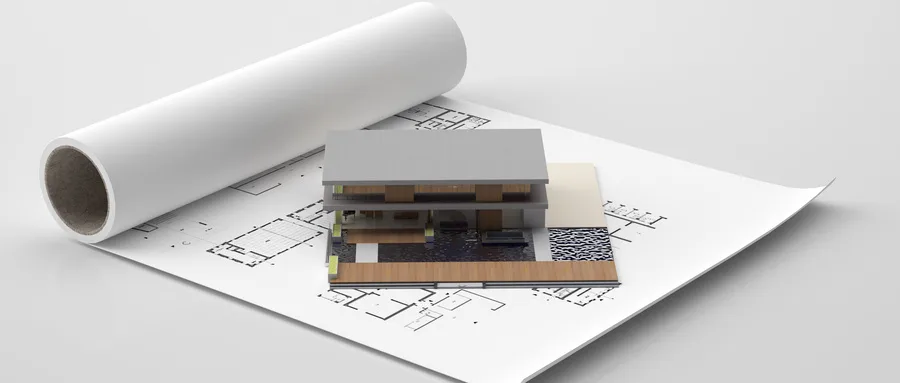
Practical experience shows that early project planning plays a crucial role in the success of the entire construction process. The primary goal of this phase is to add value to decision-making and implementation throughout the project. Effective early planning directly influences the smooth progression of design, construction, and operations stages later on. Applying BIM technology early during pre-project planning for certification can deliver significant benefits across the entire project.
Early involvement of all stakeholders throughout the construction process allows for the early identification and resolution of potential issues through timely communication. This collaboration ensures smoother design, construction, and operational phases and reduces engineering changes caused by poor planning.
The key applications of BIM technology in early project planning include developing preliminary site analysis models, conducting thorough site evaluations, estimating costs, and preparing planning schemes. These steps establish a solid foundation for the subsequent design, construction, and operational phases, helping to avoid unnecessary delays and prevent cost overruns during construction.
















Must log in before commenting!
Sign Up