
Owners’ full lifecycle management of construction projects using BIM technology encompasses various stages, with the extent and application of BIM varying throughout each phase.
The planning stage primarily involves analyzing the construction environment, goal setting, functionality assessment, site allocation, organizational planning, financial evaluation, technical review, management strategies, and risk analysis. Today, large-scale projects emphasize early-stage planning. Traditionally, this phase required repeated discussions, adjustments, and optimizations. BIM technology streamlines this process by enabling efficient modeling, site analysis, and comprehensive planning. By combining BIM models with GIS data analysis, it provides robust data and technical support for making optimal decisions.
The design phase consists of design preparation and execution, focusing on investment, quality, schedule, safety, information management, contract oversight, and organizational coordination. This phase typically involves numerous stakeholders, often causing communication challenges, information loss, and inconsistencies between design intentions and construction drawings. Such discrepancies can lead to deviations from project goals, especially in complex projects. BIM’s visualization, collaboration, dynamic parametrization, and modeling capabilities greatly aid this phase by facilitating seamless communication among all parties. Moreover, models created during planning can be leveraged in design, simplifying complex architectural forms.
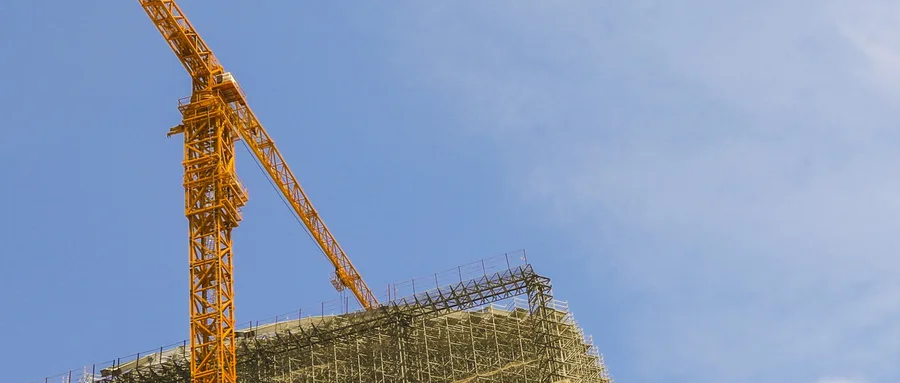
The construction phase covers both preparation and execution, emphasizing control, management, and coordination. Traditionally, on-site management has been limited to 2D approaches, which can result in blind spots regarding site layout, material storage, process sequencing, and pipeline conflicts. These issues are often addressed through estimation and experience, leading to errors, delays, and cost overruns. BIM enhances construction management by enabling 3D, 4D, and even multi-dimensional simulations tailored to scheduling and procurement needs. This technology allows precise, intuitive visualization of construction plans, helps avoid clashes, reduces safety risks, prevents delays and overspending, and provides owners with superior progress monitoring tools, ultimately supporting the entire project lifecycle.
In the operation and maintenance stage, traditional approaches suffer from fragmented and incomplete information, complicating management. BIM addresses these challenges by centralizing all facility data within a single model, preventing information loss or dispersion. Equipment data can be used to develop targeted maintenance plans linked to BIM interfaces, enabling real-time updates and supporting efficient, data-driven facility management.
















Must log in before commenting!
Sign Up