
In recent years, Building Information Modeling (BIM) technology and its supporting software have advanced rapidly, leading to more comprehensive and refined theories. Professionals in engineering and construction have begun exploring effective ways to apply BIM technology. Its value and advantages have become increasingly evident throughout the design, construction, and operation phases of projects.
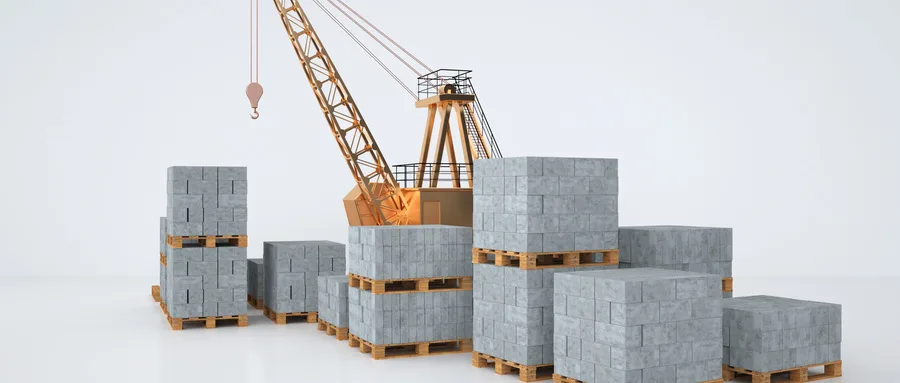
1. Planning and Design Stage
(1) Creating a visual model helps owners perform pre-analysis of planning schemes in a clear and intuitive way. It allows assessment of the budget, timeline, functionality, construction type, and environmental impact of the proposed project, enabling better decision-making for management strategies and plans.
(2) Designers benefit from establishing a comprehensive 3D visualization model, which offers accurate and reliable control over the entire design process.
(3) Utilizing BIM for collision detection, structural analysis, and other design functions significantly reduces design time, enhances efficiency, minimizes errors, and improves design quality. This ultimately boosts productivity and profitability for design firms.
(4) BIM’s interconnected design parameters mean that modifying one element automatically updates related technical details, reducing the workload and manual effort for designers.
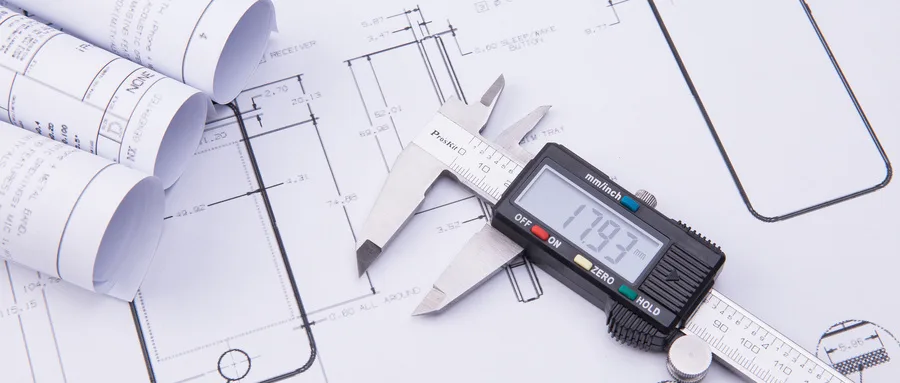
2. Construction Phase
(1) Communication and Collaboration: By leveraging a BIM-based integrated project management platform, all stakeholders can communicate and exchange information online, enabling a paperless workflow. This reduces delays caused by scheduling meetings and cuts project management costs while avoiding resource waste.
(2) Cost Control: Once the BIM 3D information model is established with complete project data, accurate material quantities for components and structures can be extracted easily, eliminating manual calculation errors and improving budget precision. Additionally, by incorporating a 5D database tracking project progress and costs, the system can automatically generate material demand and funding plans based on the schedule, ensuring timely procurement and funding allocation to prevent delays.
(3) Quality Control: Early in construction, BIM enables preemptive collision detection for systems such as electrical, plumbing, HVAC, and fire protection. It produces clash reports and identifies design errors, speeding up drawing reviews and reducing rework rates to mitigate quality risks. During construction, 3D visual models vividly display each structural component’s shape, size, and position, dynamically simulating the building process. This allows project managers and construction teams to closely monitor progress and implement technical plans effectively.
(4) Progress Management: The integration of 4D technology adds a time dimension to the 3D BIM model. This enables project managers to analyze conflicts and unforeseen factors that disrupt the planned schedule, and assess related funding and material requirements. The BIM platform visually compares daily progress against the plan and alerts management of any delays, facilitating timely corrective actions.
3. Operation and Maintenance Phase
The BIM information model stores all relevant data from the design and construction stages. Facility managers and maintenance teams can use this comprehensive information to prioritize maintenance tasks and identify potential issues. This supports the development of targeted management and maintenance strategies to ensure efficient building operation.
















Must log in before commenting!
Sign Up