
It is important to understand that the conceptual design phase of a construction project primarily involves establishing the relationship between the building and its design environment, based on standardized design requirements. This stage also includes proposing rational spatial concepts and structural methods, aiming to provide a solid foundation for the subsequent architectural design phases.
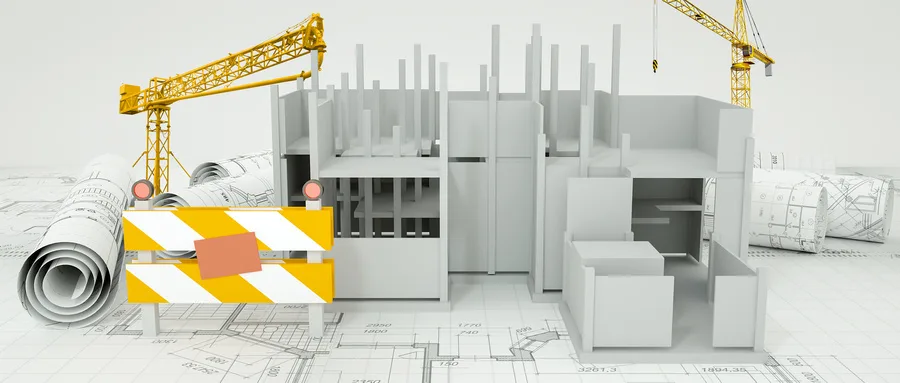
When comparing BIM technology with traditional design methods, it becomes clear that BIM can significantly enhance the efficiency of the design process. For complex architectural forms, BIM allows architects greater freedom and clarity in expressing their design intentions. Through the visualization of three-dimensional models, architects can communicate their ideas more effectively, improving collaboration with clients and regulatory authorities.
Another notable advantage of BIM technology is its ability to provide quantitative data and technical tools to optimize design schemes. BIM facilitates the integration of sustainable development principles and low-energy concepts within the design software, enabling scientific interaction with building management systems (BM) through specialized applications. In contrast, traditional two-dimensional design methods often rely on separate energy-saving software applied after the design phase, which makes it challenging to fully meet clients’ energy efficiency goals through subsequent modifications.
By creating detailed building information models that contain extensive geometric and parameter data, BIM offers a quantitative foundation for selecting and refining design options. This information can be effectively utilized in analysis software to achieve better-informed and optimized design decisions.
















Must log in before commenting!
Sign Up