
Over the course of the construction industry’s evolution—from hand-drawn sketches to CAD drawings—there has been a significant leap in design and interaction within engineering. Building Information Modeling (BIM) technology serves as both a supplement and an extension to traditional CAD methods. Compared to CAD design, BIM technology offers several distinct advantages:
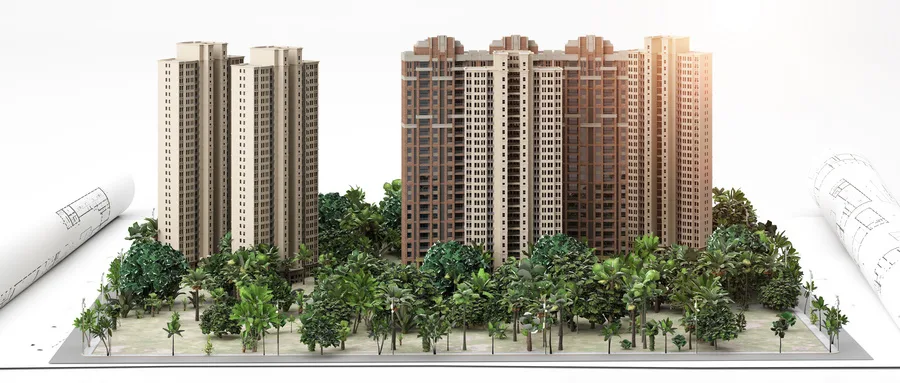
1. Three-Dimensional Visualization. Unlike traditional design methods that rely heavily on spatial imagination and overall planning skills to convey ideas to construction teams or owners, BIM technology is based on integrated 3D data models. Traditional methods often struggle with complex structures or advanced components, making effective information sharing and technical disclosure difficult. BIM’s 3D models provide clear, accurate visualizations of building details and essential information, enhancing technical communication and overcoming limitations of traditional approaches.
2. Information Integration. Since its inception, BIM has aimed to establish a comprehensive “system database” that continues to evolve today. Every stage of a project—from planning and design to completion and handover—generates valuable information. However, accurately locating and reusing this data has historically posed challenges. BIM’s integrated information system ensures precise and efficient access to key project data throughout its entire lifecycle, reducing conflicts and greatly boosting engineering productivity.
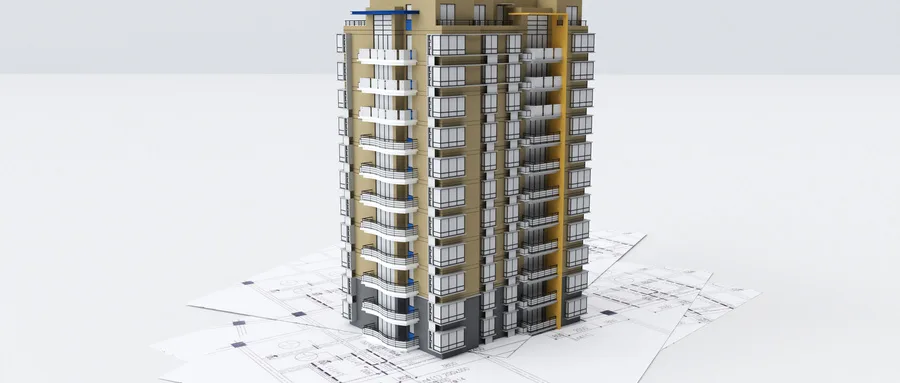
3. Virtual Simulation. BIM incorporates virtual reality features to simulate construction processes, analyze lighting, and model traffic flow. By building a complete virtual model, it enables virtual walkthroughs, on-site simulations, and pre-construction reviews. This proactive approach helps identify and resolve issues before actual construction begins, reducing costly rework and minimizing expenses.
4. Platform Coordination. At the heart of BIM lies information, characterized by interdependence, transmission, and sharing. Today, BIM data volumes often exceed 10GB, which is impractical to manage on a single computer system. BIM-based information platforms connect data from different disciplines and software applications, integrating construction details into a unified environment. This allows all stakeholders to upload and download relevant information as needed, fostering collaboration and resource sharing across professions.
5. Data Interactivity. A key feature that sets BIM apart from CAD is its interactive capabilities—both between users and data, and among different data sets. BIM software enforces modeling rules and constraints to ensure intelligent model creation. Data can be exchanged between models via specialized plugin interfaces. During project development, technicians can adjust parameters dynamically, with BIM software providing immediate feedback. This interactivity helps uncover vulnerabilities, quickly assess project feasibility, and ultimately optimize the design and construction process.
















Must log in before commenting!
Sign Up