
Cross-sea bridge engineering is characterized by the involvement of numerous stakeholders, multiple overlapping processes, and extensive coordination and communication efforts. Traditional communication methods rely heavily on the skills and quality of management personnel. If not managed properly, this can lead to blame-shifting and inefficiencies.
Coordination efforts can be categorized into three stages: pre-coordination, coordination during the process, and post-coordination. Each stage has a distinct impact on the project’s outcome. Pre-coordination typically involves clear communication about upcoming activities to prevent conflicts, minimizing potential losses and disruptions to the project.
In contrast, coordination during and after events often deals with conflicts that have already arisen, resulting in some degree of loss or impact. Post-event coordination, in particular, tends to cause greater damages. For instance, in various mechanical and electrical specialties, separate drawings can make it difficult to detect potential clashes. When subcontractors arrive on-site, they may find that mechanical and electrical pipelines cannot be installed as planned. This often leads to dismantling and modifying pipelines or completed work, causing material waste and delays in the construction schedule.
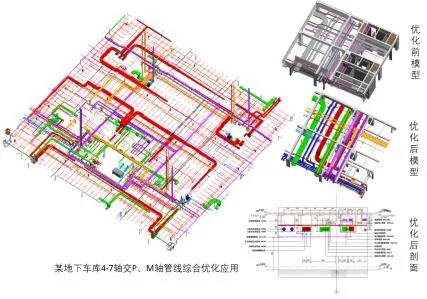
The implementation of BIM (Building Information Modeling) technology allows for proactive adjustments in coordination. By running clash detection among different professional models, areas requiring adjustments and optimizations can be identified early. This enables seamless collaboration between design teams, construction units, and subcontractors to make necessary changes.
Additionally, simulating the construction process helps identify points where processes or teams overlap, allowing for advance communication and coordination. Such early simulations greatly enhance the smooth progression of the project. Below is a coordination diagram illustrating the interaction among various disciplines.
Currently, the adoption of BIM technology is steadily growing in the domestic construction industry, especially in bridge projects. From the Shanghai Nantong Yangtze River Bridge and the New Baishatuo Yangtze River Grand Bridge to the Hong Kong-Zhuhai-Macao Bridge, the advantages brought by BIM technology are becoming increasingly evident.
















Must log in before commenting!
Sign Up