
This article is sourced from the WeChat official account: Tianbao Tekla.
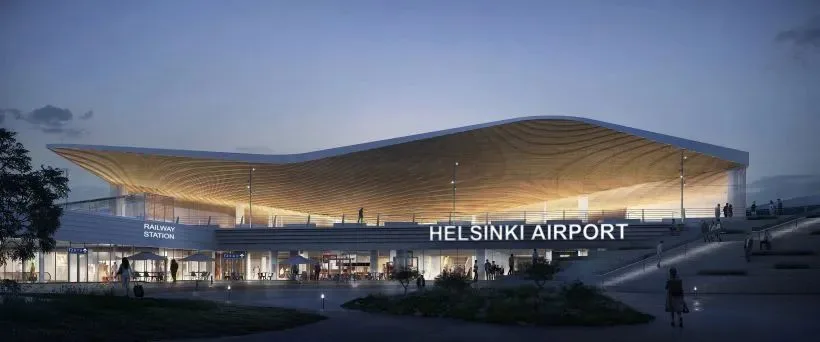
The Helsinki Vantaa Airport Terminal 2 project is notable for its large-scale design, which demanded meticulous coordination. The terminal’s striking and innovative architectural style, combined with the use of wooden structures, stands out as a key feature.
During the early stages, data models were employed to assess the terminal’s functional layout. Construction took place within an operational airport, carefully planned to maintain service levels, including the design of temporary passageways to ensure smooth passenger flow. The precise framework structure enabled advanced building technology implementation. The terminal officially opened in December 2021.
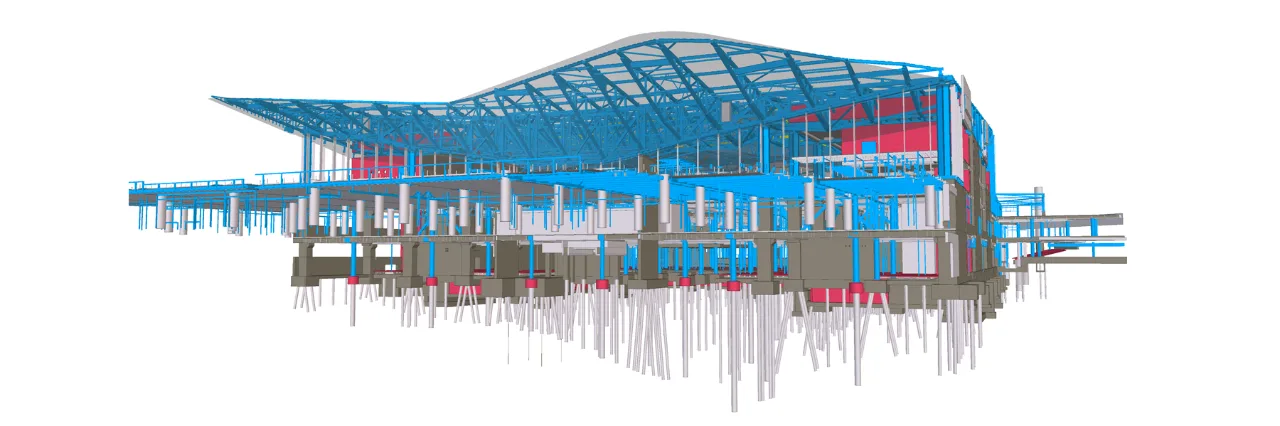
Extensive Use of Information Modeling During and After Construction
“As responsible airport managers, our top priority is to ensure passenger safety and comfort,” said Kari Ristolainen, Planning Manager at Finavia, owner of the T2 terminal project. “While the future is unpredictable, our goal is to anticipate operational needs 20 to 30 years ahead. Our sustainable development plan, developed with international partners, has been in place for 10 years and includes a comprehensive information modeling strategy. We pay attention even to the smallest details to guarantee safety and comfort.”
“This project involves numerous stakeholders,” Ristolainen added. “Almost all modes of transportation are integrated, except shipping, along with various activities and regional administrative agencies. Virtual modeling with stakeholder involvement began eight years ago to identify and solve potential issues before construction. Safety considerations include preventing disorientation, trips, slips, and ensuring adequate lighting, visibility, and wide corridors. Information modeling helps us simulate a safe, unobstructed environment.”
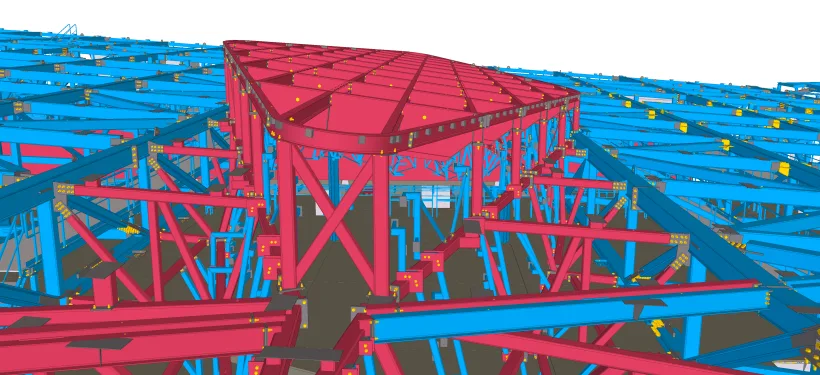
At the project’s onset, data was limited but became more detailed as construction progressed. Finavia’s first major information modeling milestone was the 2009 west side airport expansion, utilizing IFC format for data exchange. Documentation needed high precision, serving as a baseline for modifications. Missing details were supplemented through laser scanning. Now, with the start of T2 renovations, the refined structural model is fully leveraged.
“During the COVID-19 pandemic, passenger numbers declined, allowing us to accelerate virtual tool adoption. Solutions and decisions could be previewed both on-site and on large screens, involving experts, service providers, and subcontractors. Decision-makers received timely, intuitive information, enhancing confidence in design and construction processes.”
The project’s standout accomplishment is the integration of impressive wooden ceilings into its architectural design, completed ahead of schedule and within budget. This investment in thorough planning proved invaluable. Raisio Carpenters supplied over 500 roof components, none of which required factory returns, and all were installed on time.
For Contractors, Comprehensive Information Modeling Is Essential to Navigate the Large-Scale Project
The construction site office uses the information model primarily for cost and quantity calculations. Additionally, data models support schedule management by creating a 4D timeline linked to main deliveries and monitoring design progress stability through the model. The project’s complexity and phased construction required multiple changes to traffic and passenger routes, always prioritizing safety and passenger satisfaction. Despite these challenges, the team performed exceptionally well.
All project phases utilized data modeling. For projects of this scale, information modeling is vital for the main contractor to visualize complex physical structures and ensure the plan’s coherence and feasibility.
— Pekka Korhonen, Design Manager at main contractor SRV
The prefabricated parking facility framework was supplied by Parma. “They transmit production data directly into the Trimble Connect model, allowing us to monitor real-time factory production status via the cloud: components in production, completed, ready for delivery, or already on site,” Korhonen explained. “Thanks to Trimble Connect, we strictly adhered to the construction schedule.”
Information models were also used to assess site risk areas. User-defined UDA attribute information helped mark job boundaries, visually delineating contractor responsibilities in different colors. This clarity is especially beneficial, as contract boundaries often lack clear planning in cross-sectional and floor plans. This approach ensured a comprehensive understanding of contractual scope.
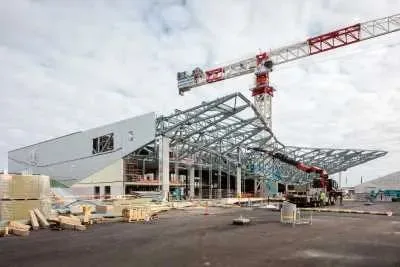
Team Collaboration Success Thanks to Tekla
“This project’s success is a result of effective alliance teamwork,” Turunen concluded.
















Must log in before commenting!
Sign Up