
BIM (Building Information Modeling) technology encompasses the entire lifecycle of engineering projects through advanced information technology. By creating an integrated design and construction model using BIM applications, it reduces costs related to labor, materials, and machinery while ensuring high-quality outcomes. This approach enhances construction efficiency, lowers overall expenses, and shortens project timelines. Below are the key advantages of design models based on BIM technology compared to traditional design methods.
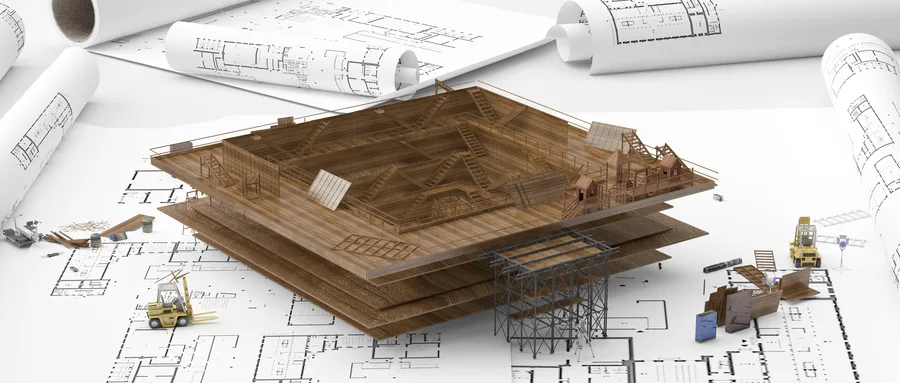
BIM Design
1. By leveraging visual features and construction plans, BIM enables collision detection and virtual construction within the model. This allows for intuitive comparison between plans and actual working conditions, optimizing clearance and pipeline layouts. It also facilitates real-time collaboration among stakeholders such as contractors and owners to identify and resolve engineering issues, thereby boosting project efficiency and safety.
2. BIM software allows input of project-specific data for equipment like pipeline bridges, creating accurate 3D models. From these models, both 2D and 3D drawings can be generated for any section. Additionally, drawing information can be modified flexibly during the design phase, supporting smoother project progress.
3. By linking BIM model data to databases, quick calculations and more accurate cost estimations can be achieved, significantly improving construction efficiency.
4. The established BIM model supports further design work and can be exported via IFC standards for use in construction simulations, finite element analysis, and other specialized applications.
Traditional Design
1. Limited visualization means designers must rely on spatial imagination to create two-dimensional graphics. Poor collaboration often results in design errors, costly rework, and communication challenges throughout the project.
2. Designers must manually produce 2D plans for equipment such as pipeline trays, including sectional details. This manual drafting process is prone to errors, which can lead to engineering changes. Modifications require redrawing, adding significant workload for designers.
3. Dimension and quantity calculations based on 2D drawings increase time costs and hinder timely adjustments when mistakes are found.
4. Traditional methods lack the ability to integrate and connect different models, limiting overall project coordination.
















Must log in before commenting!
Sign Up