
Benefit 1: Use design models as the foundation for prefabricated components. When design models are transferred to BIM prefabrication tools and detailed down to the manufacturing level (workshop model), they accurately represent building objects used for manufacturing and construction. Since these components are defined in 3D, automated manufacturing via CNC machines becomes much easier. This automation is a standard practice in modern steel manufacturing and some sheet metal work, and it has been successfully applied in prefabricated components, window openings, and glass manufacturing. Global suppliers can provide detailed model explanations, develop necessary manufacturing details, and maintain links that reflect the original design intent. By integrating prefabrication or pre-assembly early in the design process, BIM effectively supports remote manufacturing, reducing both costs and construction time. BIM’s accuracy also enables the production of larger components off-site, minimizing on-site rework caused by unforeseen changes and allowing for precise dimensioning once other components are completed.
Benefit 2: Rapid feedback on design changes. When design changes are made, their impact can be incorporated directly into the building model, automatically updating related objects in the design. Many updates are performed automatically based on predefined parameter rules. Users can intuitively check for conflicts or cross-system updates, either visually or through conflict detection tools. These changes are accurately reflected throughout the model and all associated views. BIM systems facilitate faster resolution of design changes, as the information can be shared, visualized, estimated, and addressed efficiently—something that is often prone to errors in traditional paper-based systems.
Benefit 3: Detect design errors and omissions before construction. Since virtual 3D building models serve as the source for all 2D and 3D drawings, inconsistencies and errors caused by 2D drawing discrepancies are eliminated. Moreover, by aggregating all professional models for comparison, it becomes straightforward, systematic (for hard clashes and gap conflicts), and intuitive (for other error types) to identify issues. Potential conflicts and construction problems can be discovered before reaching the site. This strengthens coordination between designers and contractors, greatly reduces omissions and mistakes, accelerates the construction process, lowers costs, minimizes legal disputes, and ensures a smoother workflow for the entire project team.
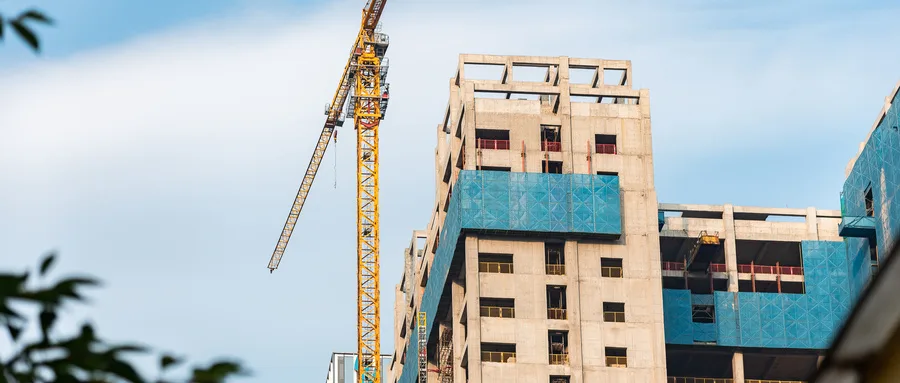
Benefit 4: Synchronize design with construction planning. Using 4D CAD for construction scheduling involves linking the construction plan with the 3D design objects and supplementing the model with construction equipment elements such as supports, scaffolding, and cranes. This enables simulation of the construction process and visualization of the building and site appearance over time. Such graphical simulations help stakeholders understand how the building will be constructed day by day, reveal potential issues, and identify opportunities for improvement related to site logistics, personnel and equipment management, spatial conflicts, and safety concerns.
Benefit 5: Enhance lean construction practices. Lean construction requires close coordination between the general contractor and all subcontractors to ensure that only executable tasks—those meeting all prerequisites—are assigned to workers. This approach minimizes work waste, improves workflow, and reduces the need for large on-site material inventories. BIM provides accurate design models and information about material requirements for each work segment, offering a solid foundation for improving subcontractor planning and scheduling. This ensures timely arrival of personnel, equipment, and materials, cutting costs and fostering better on-site collaboration. Additionally, the BIM model can be used with tablets for efficient on-site material tracking, installation progress monitoring, and automatic positioning.
Benefit 6: Align procurement with design and construction. A comprehensive architectural model delivers precise quantities for most, if not all, materials and objects included in the design, depending on the level of 3D modeling detail. These quantities, along with specifications and attributes, facilitate procurement from product suppliers and subcontractors, such as those providing precast concrete components.
















Must log in before commenting!
Sign Up