
Building a model is a straightforward process. In ancient times, craftsmen created handmade models to assist in their design work. Similarly, building a computer simulation model is not necessarily high-tech. Today’s designers often use software like SketchUp (SU) to create models, while rendering professionals produce even more detailed and refined models. The final images and animations they generate are incredibly lifelike, often indistinguishable from reality.
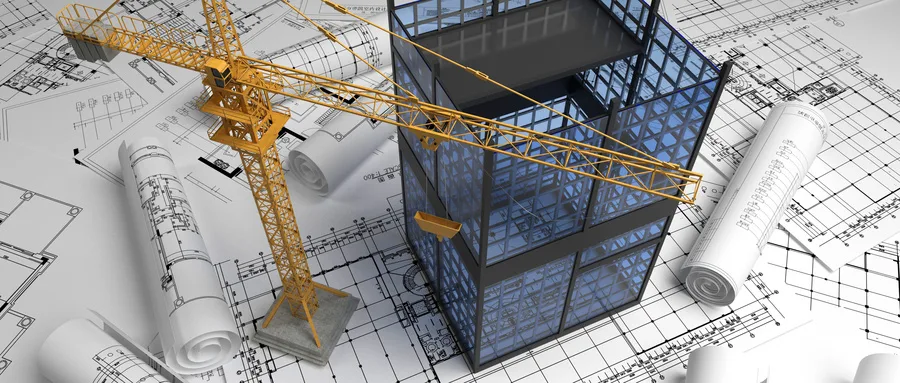
However, handmade models primarily serve as tools to help people visualize ideas, and rendering models are often used by artists to create promotional images that may not always reflect reality. The limitation of these models lies in their inability to store detailed attribute information about the building elements. By embedding information within the model, it transforms into something more dynamic—like a puppet with a soul capable of much more.
Information is the true soul of BIM (Building Information Modeling). When information is incorporated, a basic building model evolves from a static 3D object—defined by length, width, and height—into an active process. This process introduces additional dimensions: time (4D) and, as some experts suggest, cost and construction management (5D). Thus, BIM represents a comprehensive 5D working methodology.
Information in BIM is meant to be widely shared. Designers from various disciplines can access the data they need and contribute their own information to the overall dataset, constantly updating and refining it. Every stage of a project is guided by this shared pool of information, which becomes more complete and accurate as the project advances. When the building is completed and operational, the BIM information is handed over to the facility managers to support ongoing property management, maintenance, and repairs.
Within BIM, the model acts as the carrier of information. Each element in the model contains its essential attributes, and the relationships between elements represent construction logic. Additionally, BIM workflows that simulate construction progress incorporate 4D and 5D information, enhancing planning and management capabilities throughout the project lifecycle.
















Must log in before commenting!
Sign Up