
Simulation can be performed without BIM; however, such simulations are not dynamically linked to real-time changes in the building and serve only as visual representations. In contrast, BIM enables a “design analysis simulation” process that dynamically reflects the actual state of the building. When design modifications occur, they are immediately updated in the model for multidisciplinary analysis, research, and simulation.
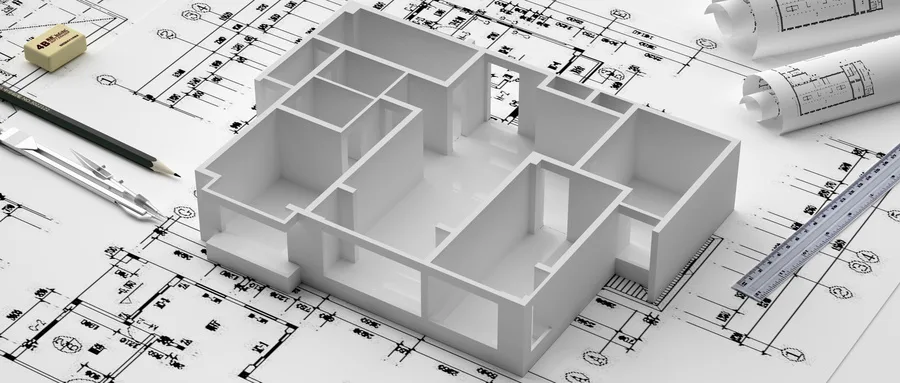
Building performance analysis simulations are primarily applied during the design phase. Using BIM technology, architects enrich the virtual building model with extensive physical data—including geometric details, material properties, and component attributes. This BIM model is then imported into specialized performance analysis software to generate detailed results. These analyses typically cover sustainability aspects such as energy consumption, sunlight exposure, and daylighting, as well as safety evaluations like emergency evacuation simulations.
Construction simulation leverages BIM by integrating spatial information with temporal data, adding a time dimension to the 3D model to create a 4D simulation. Incorporating project cost data transforms this into a 5D simulation. Further integration with additional project information can produce nD simulations. BIM-based construction simulations provide a clear and accurate visualization of the entire construction process, helping to shorten project timelines, reduce costs, and improve overall quality.
Operation and maintenance simulations focus on equipment monitoring, energy management, and spatial management during the building’s operational phase. Utilizing the BIM information system, users can search, locate, and access information about equipment manufacturers, service lifespans, and maintenance statuses. This enables proactive equipment cycle monitoring, accident prevention, and swift troubleshooting of failures.
















Must log in before commenting!
Sign Up