
Accurately calculating costs during a project’s construction phase is challenging due to many uncontrollable factors, such as fluctuating material prices. In recent years, economic growth has driven prices upward, causing market material costs to change constantly. To support further development and strengthen China’s international standing, the government has implemented a series of policy reforms, which have introduced new variables into national policies. In response, effective management and control are essential, particularly concerning project settlements, changes, and claims.
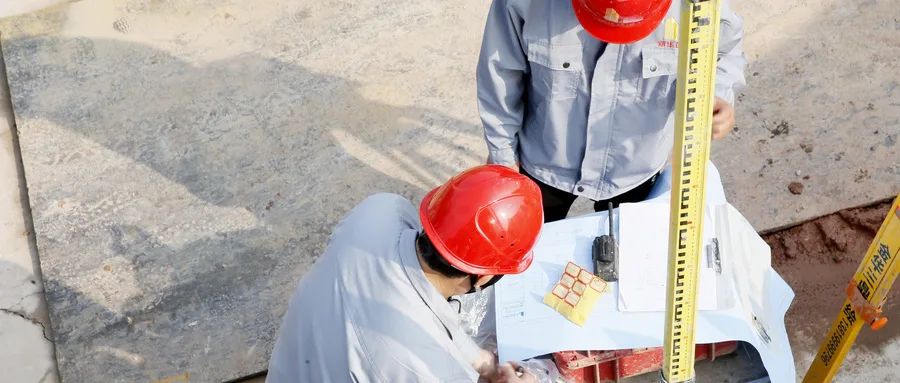
When conducting project settlements, it is crucial to strictly adhere to the contract’s provisions and provide the company with a timely list of completed work. Typically, this list is issued at the project’s completion stage. In China, common engineering settlement methods include monthly settlements, one-time payments, and segmented settlements. This project employed a monthly settlement approach to manage costs. This method not only motivates the construction team but also allows for phased supervision and management, helping to prevent fund wastage and excessive spending.
Calculating engineering quantities can be challenging during summary work. To address this, some teams utilize BIM software, a practical tool based on project engineering information that plays a vital role throughout the project lifecycle. BIM software effectively resolves summary issues by accurately tracking project progress and facilitating detailed planning for fund allocation, material procurement, and labor usage. This significantly streamlines the project’s settlement process.
During project change and claim management, changes may arise at any time during construction. BIM software proves invaluable in this context by helping to minimize the impact of project changes. In China, this management is especially important, as changes can cause substantial shifts in the original project costs.
















Must log in before commenting!
Sign Up