
For simple projects, collaboration may seem straightforward. However, as projects grow increasingly complex, they often require the cooperation of multiple designers. As a result, collaborative design is becoming the primary method for architectural projects moving forward.
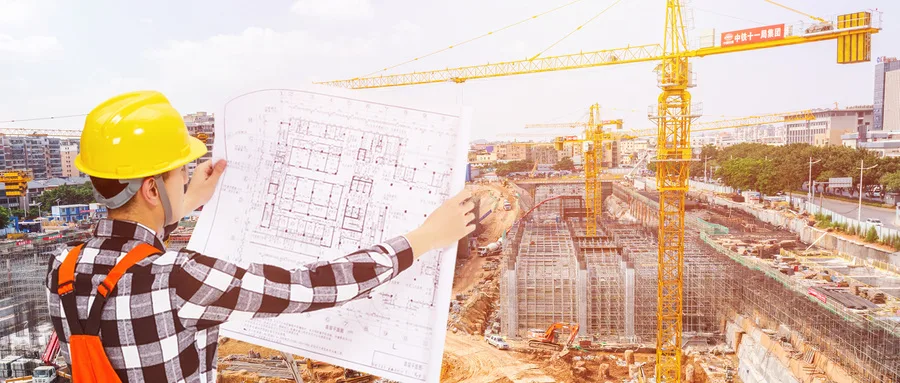
Collaborative design is now widely adopted across design firms and is a familiar concept to most designers. However, opinions vary regarding its true meaning and future evolution. At present, many companies view collaborative design primarily as a management model that enables designers to share information and design progress in real time via networks and digital tools. This allows cross-departmental or even cross-regional discussions through file transfers, instant messaging, and video conferencing, facilitating project reviews and revisions. Designers are accustomed to this style of collaboration.
Over time, due to the unique demands of the design industry, many firms have developed collaborative design software based on CAD platforms to enhance efficiency. Although two-dimensional collaboration has been refined over the years, its accuracy and coordination capabilities are inherently limited compared to three-dimensional workflows.
CAD revolutionized manual drafting by using computers to represent buildings with lines. The advent of BIM, however, transformed traditional computer-aided design by simulating buildings as comprehensive information models. This approach provides richer building data and significantly boosts collaborative design efficiency.
Three-dimensional collaborative design involves multiple designers working together on a shared platform under unified standards to accomplish project goals. This process emphasizes parallel design efforts, enabling real-time, precise coordination supported by 3D models. BIM technology underpins this 3D collaboration, shifting collaborative design from merely a discussion or management method into an integrated design approach. As a result, the cooperation among various design professionals becomes smoother and more tightly coordinated, allowing teams to achieve greater collective impact.
















Must log in before commenting!
Sign Up