
The industry commonly defines BIM as Building Information Model or Building Information Modeling. In other words, it refers to a digital representation of a building’s physical and functional characteristics.
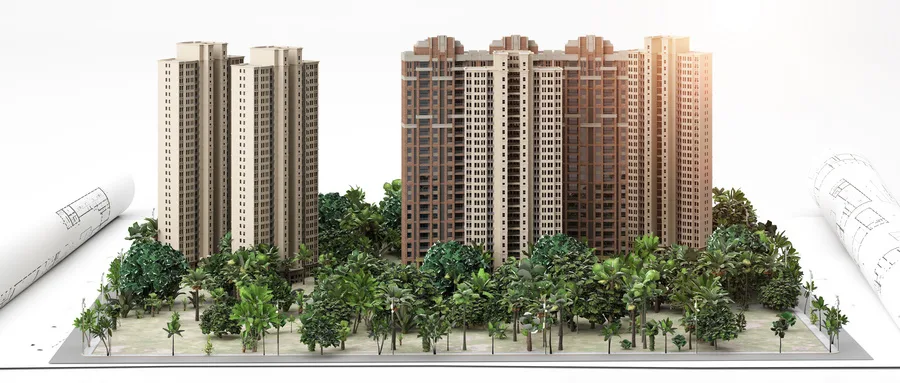
Charles Eastman defines BIM as “a single model that encompasses all geometric features, functional requirements, and construction performance throughout the entire lifecycle of a building project.” According to the US BIM standard, BIM is a digital representation of the physical and functional attributes of a construction project, serving as a comprehensive information resource for all project participants. This model allows stakeholders to add, extract, update, and modify information, facilitating resource sharing and collaborative work.
The US buildingSMART alliance identifies 25 BIM application points that span the entire lifecycle of construction projects. These are categorized by project phases:
- Planning phase: stage planning, site analysis, existing conditions modeling, preparation of planning documents, and cost budgeting;
- Design phase: scheme analysis, design modeling, energy analysis, structural analysis, equipment analysis, additional assessments, sustainability evaluation, and specification review;
- Construction phase: 3D coordination, site coordination, construction design, digital processing, and 3D control;
- Operation phase: model documentation, progress maintenance, system analysis, asset management, space management, and disaster prevention.
Currently, the General Services Administration (GSA) is exploring the use of BIM technology across the project lifecycle, including applications such as 4D simulation, spatial planning, laser scanning, safety verification, energy consumption monitoring, and sustainability simulation.
In summary, BIM can be effectively applied throughout all phases of a project lifecycle. Key application points include site analysis, stage planning, and cost budgeting during the planning phase; design modeling, pipeline integration, and clash detection during the design phase; real-time monitoring and on-site coordination during construction; and model maintenance, asset management, system tracking, and disaster prevention during the operational phase.
















Must log in before commenting!
Sign Up