
1. Specialized Optimization of Steel Structures
Traditional steel structure design typically involves using AutoCAD for 2D drafting, PKPM for structural analysis, 3D3S and MST for grid and shell design, and Ansys for finite element analysis. While these tools can handle certain steel structure calculations, the modeling process tends to be complex and lacks clarity.
As architectural styles evolve, steel structures have become increasingly complex and building volumes larger. Conventional steel design software struggles to quickly generate optimal solutions, which in turn slows down subsequent optimization and comparison efforts.
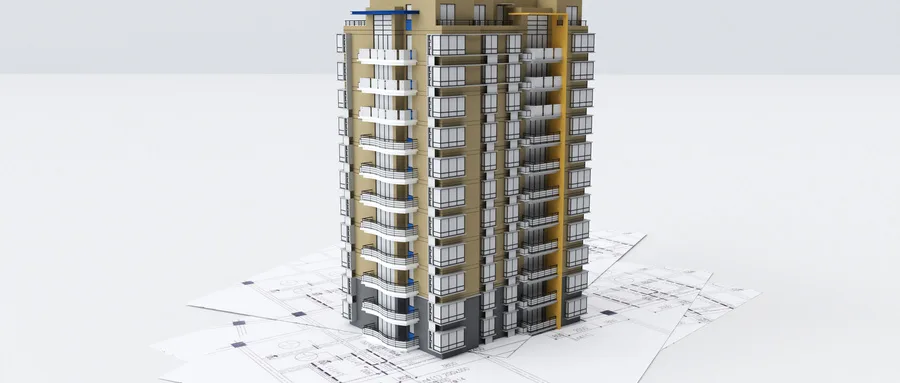
BIM-based steel structure design software marks a significant advancement over traditional 2D methods by integrating with large-scale steel design tools. This system uses a top-down design approach, enhancing design rigor, accuracy, and responsiveness to changes.
BIM technology allows designers to transform their 3D spatial concepts into intuitive digital models, bringing design outputs closer to real-world products. Furthermore, 3D modeling simulates the manufacturing and assembly process digitally, enabling the early detection and resolution of potential construction issues during the design phase.
2. Specialized Optimization of Curtain Wall Engineering
With evolving design philosophies in construction, modern curtain wall design has progressed from simple and regular forms to more specialized, diverse, and complex structures. This evolution demands higher precision in design, fabrication, and installation.
Traditional 2D design methods no longer suffice for the complexity of contemporary curtain walls. As a result, designers are adopting BIM technology to address challenges inherent in traditional curtain wall design.
Curtain wall engineering is a multidisciplinary field involving architecture, decoration, structural engineering, materials science, mechanical processing, and construction management. Consequently, BIM software for curtain wall optimization draws from various industries, including architecture and mechanical engineering.
Typically, applying BIM to curtain walls falls under building facade design and represents a crucial aspect of BIM implementation. In practice, the distinction between curtain wall BIM and building facade BIM is becoming less defined.
During architectural design, curtain wall BIM helps architects explore complex forms, generate facade textures, segment facades, and optimize designs. In the curtain wall design phase, it supports structural research and aids cost estimation. Throughout construction, curtain wall BIM produces component processing drawings for manufacturers and provides positioning data and installation guides for on-site workers.
The curtain wall design process usually divides into two main stages before construction: tender drawing design and detailed construction drawing design. Both stages include system design and structural design. System design often utilizes software like SketchUp, 3DMAX, AutoCAD, Rhinoceros, and Catia, while structural design relies on tools such as Ansys, 3D3S, and SAP2000.
















Must log in before commenting!
Sign Up