
One significant advantage of the BIM design process lies in the uniformity of project files and the consistency of data. While the visible aspect of this process is the use of a new software platform, its core is actually a new design mindset and modeling methodology. These new approaches mean that BIM software platforms cannot produce drawings that fully comply with traditional drafting standards.
(1) Starting from Space vs. Starting from Plan
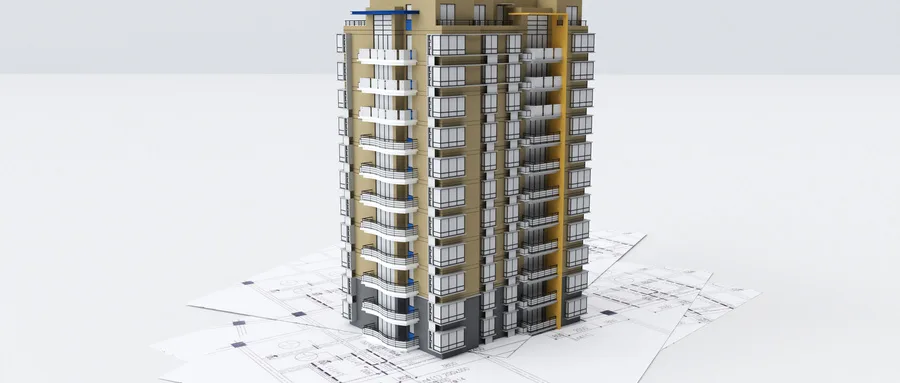
The BIM modeling approach begins with space. It comprehensively considers the relationship between the overall structure, facade shape, and the surrounding environment before moving on to details like doors, windows, furniture, and ceilings. Each space is generated with ongoing cross-checks and timely adjustments when issues arise, promoting a more rational design system.
In contrast, traditional design starts from the plan and then addresses facade details. Designers must mentally envision the entire spatial effect, which often makes it difficult to address every aspect thoroughly and meticulously.
(2) Intuitive Expression vs. Abstract Expression
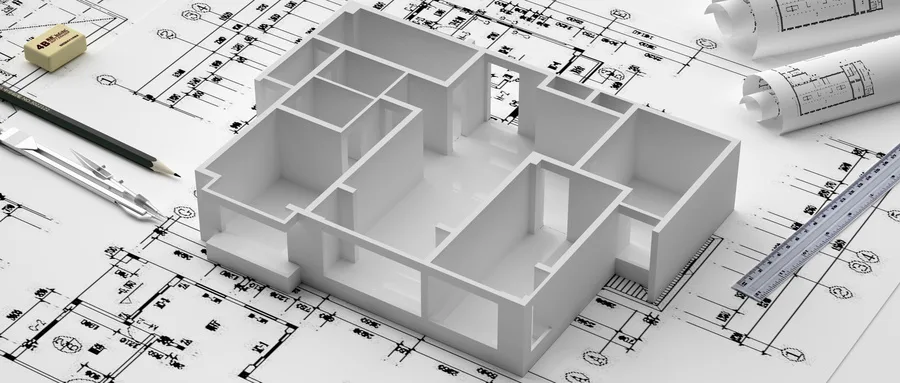
BIM modeling primarily uses three-dimensional components. Corresponding plans, elevations, and sections are two-dimensional projections derived from the 3D model, all interrelated and mutually influential. This approach allows any change in the 3D components to be instantly reflected in all views without separate modifications. Parametric annotations like axis numbering, horizontal markers, section lines, and elevation notes are integrated with the model, enhancing efficiency and reducing errors.
However, these directly projected drawings, while intuitive, lose some ability to abstractly summarize and express design intent. They often require simplification, transformation, or detailed adjustments of model components to align with established drawing standards. This conversion can be complex and time-consuming, sometimes making it challenging to achieve the same visual effects as traditional drawings.
(3) Data Structures Based on Model Categories vs. Layer-Based Data Structures
BIM models consist of parameterized components and function as comprehensive databases. Components of the same category—such as walls, columns, and beams—are edited and managed collectively within the modeling environment, similar to CAD layers. Every 3D component is rich with information and linked to annotations, properties, or charts displayed on later drawings, resembling databases and data ports.
When accurate information is stored in the database, the system can output correct content automatically. This contrasts with traditional 2D CAD software, where annotations, charts, and bodies are relatively independent and edited separately. This data organization is more logical and compact but significantly limits user permissions for modifying the model’s organizational structure. Unlike the CAD process, where users freely create new layers, the layer classification in DWG files exported from Revit aligns strictly with the system’s default component categories, which does not conform to traditional mapping standards.
Overall, BIM design thinking aims to help designers produce designs more effectively, efficiently, and accurately. For the construction industry, the 3D design paradigm aligns more closely with the essence of design—expressing, refining, communicating, and delivering design results in true three-dimensional space.
However, as an inevitable outcome of integrated model-based drawings, the projection-based drawings offer intuitive expression but sacrifice some abstract qualities found in traditional drawings. These differences require adjustments to approval standards, improvements in workflows, software enhancements, and sometimes acceptance that certain practices may not fit perfectly within this new approach. Ultimately, collaboration among multiple parties is essential to find the best practical solutions. Strengthening communication between different stakeholders is a key spirit of BIM.
Source: “BIM Design Software and Drawing – Drawing Practice Based on Revit” by Li Yiyi
For learning and communication purposes only. Copyright belongs to the original author and publisher. If any infringement occurs, please contact us for removal.
















Must log in before commenting!
Sign Up