
Building Information Modeling (BIM), also referred to as Building Information Management, is more than just an information system. Primarily, it represents a set of scientific and effective methods for managing construction projects. The concept was introduced by Autodesk’s Vice President in 2002, who integrated BIM into Autodesk’s AEC product, helping to promote it worldwide. BIM stands for Building Information Management, emphasizing its role in overseeing building information throughout a project’s lifecycle.
BIM technology spans the entire project cycle, covering key phases such as project planning, design, construction, cost settlement, and final delivery. Its application provides valuable support at every stage of cost management. Specifically, the BIM-based “two calculation comparison” model focuses on managing costs during the planning and construction stages. The cost management model based on BIM for quantity comparison is illustrated in Figure 1:
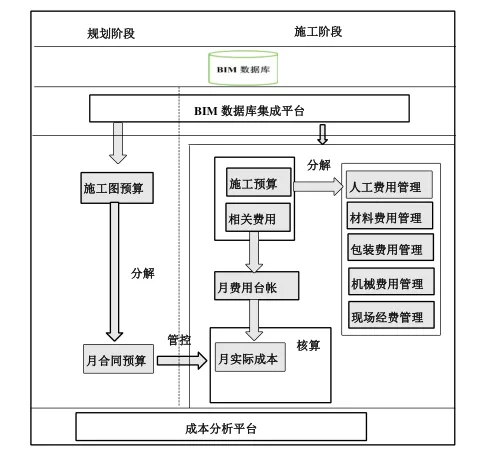
Figure 1: Comparison of Cost Management Models for Two Calculations
Using BIM technology to obtain cost management data allows for accessing construction drawing budgets during the project planning stage. This capability provides essential support for managing costs throughout the entire project. Additionally, budget analysts can identify errors or gaps in engineering drawings early on, improving accuracy and efficiency.
As the project moves into the construction phase, cost management personnel can utilize BIM models and relevant cost regulations to effectively oversee and control project expenses.
















Must log in before commenting!
Sign Up