
Effective risk monitoring and early warning systems rely heavily on the integration of BIM and RFID technologies. BIM technology primarily supports this integration by establishing detailed BIM models, enabling information visualization, and facilitating seamless information sharing. Meanwhile, RFID technology plays a crucial role by automatically collecting real-time data from construction sites. The integration process is illustrated in the following figure.
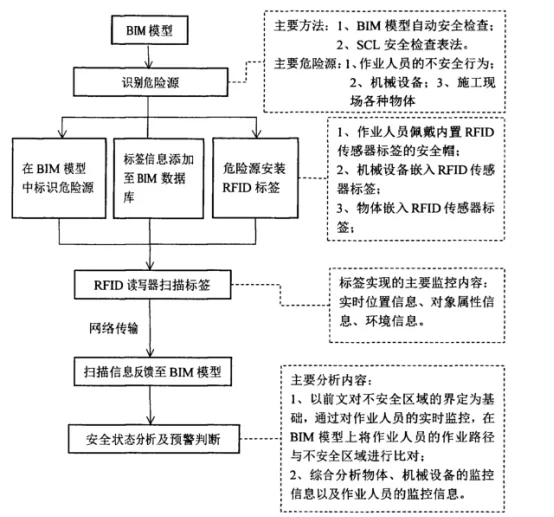
Figure 1: Integration Path of BIM+RFID Technology
The integration process involves the following key steps:
Step 1: Develop a comprehensive BIM model for the construction project. Identify potential hazards and designate them as primary monitoring targets.
Step 2: Attach RFID sensor tags to these monitoring targets on the construction site to enable real-time data capture regarding their status.
Step 3: Use RFID readers to scan and gather information from the tags. This data is then transmitted to the BIM model over a network, ensuring that the current status of each monitored object is visually represented in real time.
Step 4: Analyze the collected monitoring data along with the visualization of hazardous zones within the BIM model. By assessing the real-time positions of monitoring objects relative to dangerous areas and evaluating their current conditions, the system can accurately determine if any object is at risk and issue timely, precise alarm warnings.
















Must log in before commenting!
Sign Up