
The application of BIM technology in construction project management primarily encompasses four key areas: progress simulation, construction plan optimization, 3D technical disclosure, collision detection, and construction safety. Below is a detailed overview of each aspect:
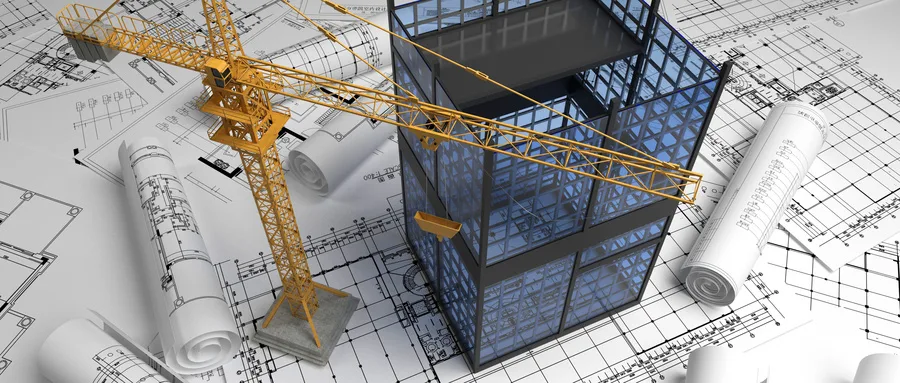
1. Construction Progress Simulation
BIM-based progress simulation involves linking BIM models with construction schedules to create an integrated 4D visual model that combines spatial and temporal information. This approach provides an intuitive and accurate visualization of the entire construction process, enabling real-time tracking and monitoring of progress. It facilitates coordination among various disciplines, resource preparation, and the development of responsive strategies for dynamic progress management.
Using BIM 4D progress simulation, key sub-projects and components can be analyzed to develop practical and effective response strategies. Construction plans are developed based on the BIM model, construction schedules are established, and workflow sections are logically divided. Throughout the simulation, actual progress is compared against planned progress to identify and analyze any schedule deviations.
2. Optimization of BIM Construction Plans
Leveraging the 4D model, key construction processes are simulated and analyzed to evaluate resource usage, including time, personnel, materials, machinery, and site space. This enables optimized allocation of construction timeframes, resources, and site layouts, allowing for the comparison and selection of the most efficient solutions among multiple alternatives.
3. BIM-Based 3D Technical Disclosure
In many Chinese construction projects, contracting often involves general contracting, specialized contracting, and labor subcontracting. On-site personnel usually belong to subcontracting units and may have limited educational background and professional skills. They often struggle to fully understand complex 2D drawings, progress charts, and technical plans.
BIM technology addresses this challenge by using 3D modeling to visually present building designs in a clear and understandable way. This method effectively communicates technical plans, enabling on-site technicians to better grasp critical construction points and challenges. It also helps them anticipate potential issues and necessary precautions, thereby enhancing construction quality and safety.
4. BIM-Based Collision Detection and Construction Safety
Using the 4D model, the construction process is simulated to perform dynamic collision detection and analysis of components, pipelines, facilities, and structures. BIM models also facilitate the generation of structural analysis models from 4D construction data, enabling dynamic evaluation of mechanical properties and the safety of time-varying structures and support systems throughout the construction phase.
















Must log in before commenting!
Sign Up