
The construction general contractor is the primary user of engineering project information. They carry out the actual construction work based on the requirements of the construction owner and the design drawings provided by the design agency. Additionally, they organize and manage the professional subcontractors involved throughout the construction process. In this role, the general contractor acts both as the recipient of information from the construction owner and design unit, and as the distributor of information to various specialized subcontractors.
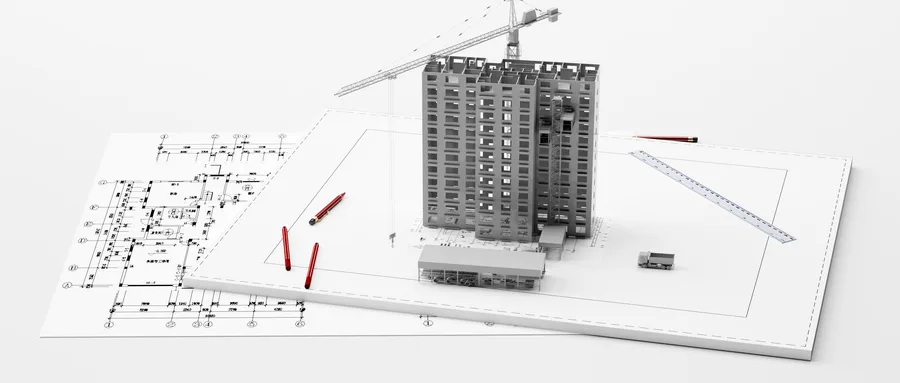
As the information recipient, the construction general contractor uses the BIM information integration platform to dynamically and clearly understand the detailed engineering design information. This allows them to arrange project personnel and allocate mechanical equipment according to the design drawings, preparing thoroughly for construction execution. To tackle complex construction challenges, BIM software enables intuitive and dynamic simulations, offering practical guidance for on-site construction activities.
In the role of information distributor, the general contractor leverages the BIM platform to simulate the dynamic construction processes across different specialties. Through measures such as clash detection, they strategically schedule the start times and detailed work plans for each specialty subcontractor. This monitoring ensures real-time oversight of subcontractors’ progress, helps address onsite issues promptly, and effectively guarantees construction quality and timeline adherence.
Moreover, as an integral part of the BIM information integration platform, the construction general contractor’s organizational capabilities and construction expertise are fully showcased throughout the process. This not only highlights a strong corporate image but also enhances industry competitiveness, all while promoting efficient project delivery.
















Must log in before commenting!
Sign Up