
(1) Simulation Analysis of Building Performance: Import the model into specialized analysis software like Ecotect to evaluate various building aspects, including visibility, lighting, ventilation, occupant evacuation, and carbon emissions.
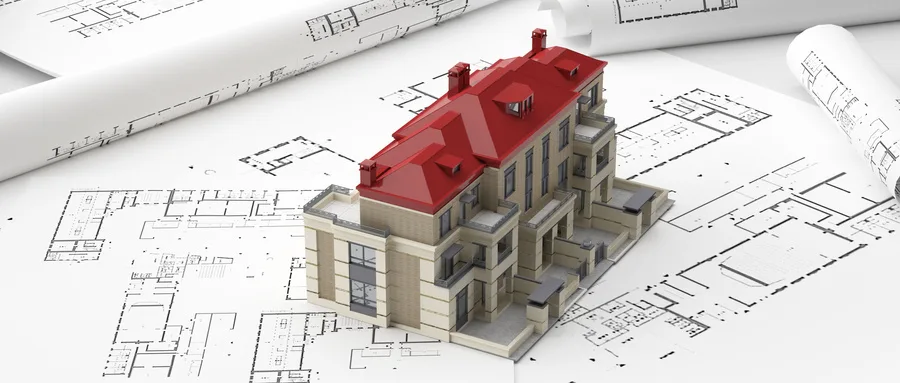
(2) Parameterized Form Finding: Using BIM technology, adjusting any design parameter automatically updates the model according to the preset sequence within the overall layout.
(3) Architectural Visualization: Represent buildings and their components in three dimensions, replacing traditional two-dimensional images for better spatial understanding.
(4) Design Review: Analyze design drawings to detect issues in the scheme, improving collaboration among different disciplines.
(5) Virtual Reality: Simulate three-dimensional building spaces through walkthroughs and animations, offering observers an immersive visual and spatial experience in a virtual environment.
(6) 3D Pipeline Coordination: Utilize software like Navisworks to perform clash detection, optimizing the coordination of pipeline placement within design drawings alongside building and structural layouts, achieving zero collisions in pipeline integration.
(7) Clearance Optimization: Analyze vertical spatial dimensions of buildings to detect potential conflicts and provide optimization strategies based on the design conditions.
(8) 3D Construction Drawings: By dissecting Revit models and exporting 2D drawings via BIM software, designers can efficiently produce detailed construction documents, further refined with 2D drawing software.
(9) Construction Guidance and Coordination: Extract component data from BIM models to guide construction teams through drawings or videos, minimizing misunderstandings and clearly illustrating complex project phases.
(10) 3D Quantity Takeoff (Integrated with Graphical Modules): Calculate material quantities more accurately by inputting component and equipment parameters directly into the BIM 3D model.
















Must log in before commenting!
Sign Up