
During the execution of a construction project contract, both the employer and the contractor must adhere not only to the methods and procedures outlined by relevant laws and regulations but also to the agreed contract terms when preparing the final settlement price. This final settlement price comprehensively reflects all changes, deviations, claims, material price adjustments, and other payment modifications that occur throughout the contract’s performance. Ultimately, it represents the total amount the employer owes the contractor upon the contractor’s completion of all contractual work.
In principle, by gathering and organizing project data during the design and construction phases, accurate settlement information can be derived. Leveraging BIM technology allows for the collection of complete and structured building information, enabling quick calculation of the project’s completion volume and comparison against the contract price. This process helps identify the causes and amounts of price changes, analyze the project’s economic benefits, and provide reliable historical data for all construction stakeholders. Furthermore, building models containing comprehensive project information are valuable beyond construction, serving in operation and maintenance phases. For instance, equipment management benefits from electronic models that include detailed information such as brand, performance, installation, and precise location.
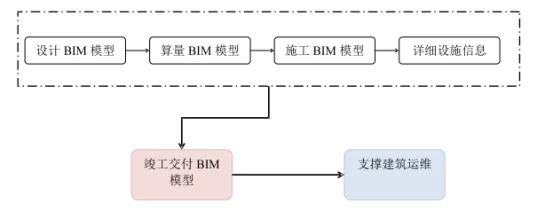
Figure 1: Delivery process of the BIM model
















Must log in before commenting!
Sign Up