
BIM is more than just a parametric building model or a 3D representation—it’s not simply a collection of software tools. At its core, the model serves as a carrier of both structured and unstructured building information.
Information forms the foundation of BIM. Using BIM software to create models is a method, while managing projects through BIM is the ultimate goal. Information is the soul of BIM—it is not finalized during the modeling phase but is continuously and dynamically refined throughout the entire project lifecycle.
BIM is not just a technical tool; it also requires the customization of various BIM-related standards, often exceeding basic requirements. The transition within management organizations—from IT and frontline production teams in service departments to functional departments—is a process of project implementation, collaborative work, and information flow. BIM does not imply that 3D is superior to 2D or vice versa; some users find 2D communicates their ideas more clearly. The best approach depends on the specific needs of each project.
BIM itself is not a new concept—it has long been applied in the manufacturing industry under different names. Originating from product information modeling in manufacturing, BIM is a mature concept and technical system. However, its application across various stages of the building lifecycle still requires further exploration.
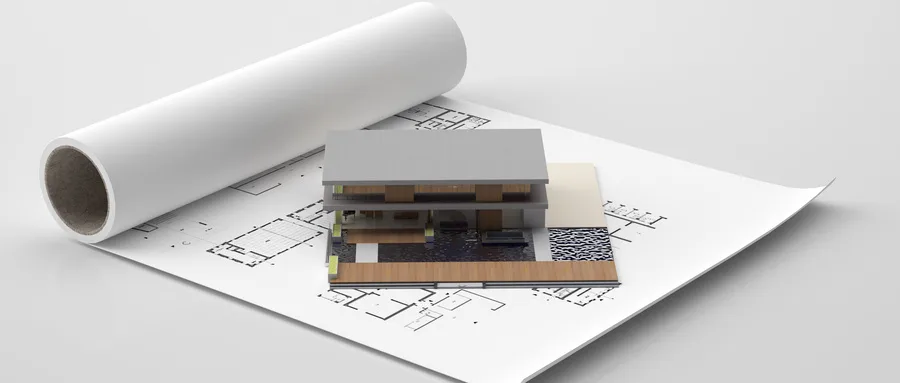
In BIM workflows, 2D and 3D representations coexist—it is not a matter of one being right or wrong, but rather choosing the most suitable method for the task at hand. Traditionally, a designer’s three-dimensional architectural vision is translated into a two-dimensional design, which is then used to construct a three-dimensional building—a 3-2-3 process. Numerous changes typically occur during construction.
BIM technology offers significant value and challenges traditional ways of thinking. Designers must invest time and effort to learn new technologies and adapt their work methods. Without clear financial incentives, widespread adoption in design is challenging. Often, project owners drive BIM implementation by requiring its use in bidding documents, compelling design firms to adopt BIM to remain competitive. Ultimately, the promotion of BIM depends heavily on owner support.
















Must log in before commenting!
Sign Up