
Construction organization involves the comprehensive coordination and planning of construction units, workers, and building resources throughout the execution of engineering projects. It plays a crucial role in managing the practical implementation of construction activities. An effective construction organization design aims to maximize both economic and technical benefits during the project lifecycle.
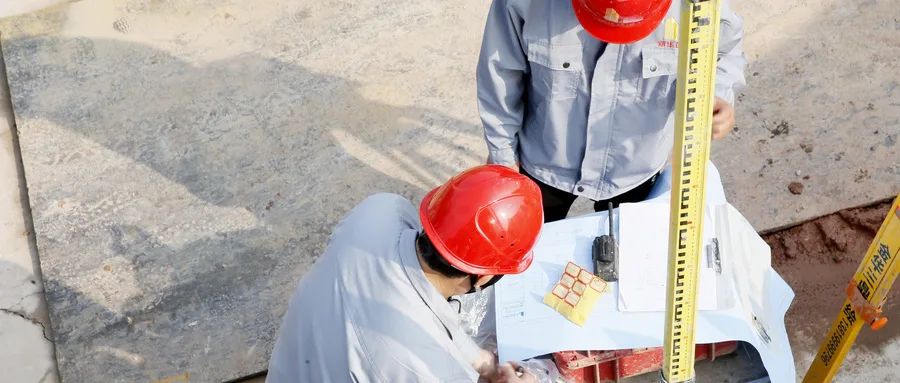
The construction plan is a tangible expression of the construction organization design. Achieving the project’s schedule, quality, and cost objectives depends on a well-structured and efficient construction plan. This plan outlines the construction sequence, starting points, workflow direction, selection of appropriate machinery and methods, as well as the development of relevant technical and organizational measures.
However, as construction projects grow larger and more complex, relying solely on the experience of project managers to draft construction plans becomes insufficient. Each building project is unique due to varying goals, environmental conditions, and other factors, preventing the use of standardized plans similar to mass production in manufacturing. Moreover, construction projects typically involve significant costs, making it essential to select a construction plan that is both reasonable and efficient to maximize project benefits.
Virtual construction technology based on Building Information Modeling (BIM) leverages data-driven models to simulate the actual construction process using 3D digital representations on a computer. By simulating construction procedures, sequences, techniques, equipment deployment, and resource allocation, potential issues can be identified early, allowing the feasibility of the construction plan to be verified in advance.
The initial BIM model contains fundamental information such as the geometric structure and physical properties of the proposed project. When time-related data, construction sequence logic, and resource requirements are integrated, a comprehensive simulation of the construction process becomes possible. This simulation provides a clear and intuitive visualization of construction progress, methods, and workflow at both project and component levels.
If the plan reveals problems—such as machinery operation ranges that are inadequate or periods of idleness—engineers and construction personnel can promptly propose alternative approaches. These alternatives can then be simulated to verify their practicality, enabling the identification and resolution of most construction risks and issues before actual work begins.
By simulating the entire construction process, the construction plan’s feasibility can be repeatedly tested without using physical resources. This approach allows for the development, comparison, and optimization of safer and more efficient construction strategies, helping to avoid common challenges such as project delays, high redesign or rework rates, and budget overruns.
















Must log in before commenting!
Sign Up