
Visualization in construction refers to the clear and intuitive presentation of a project’s functionality and usability through three-dimensional BIM data models.
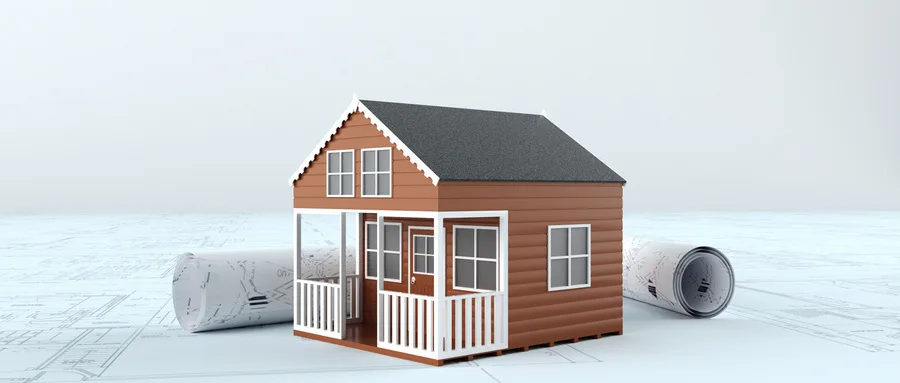
Traditionally, the construction industry has relied on two-dimensional design drawings to convey three-dimensional data about projects. Designers create these 2D drawings to express their concepts, while builders and owners interpret the designs through these flat representations. This process often leads to discrepancies: designers may lose some intent when translating their ideas into two dimensions, and builders may misinterpret the drawings, resulting in a final construction that deviates significantly from the original design vision.
As construction technology and design methods advance, projects have become more diverse and complex. The old workflow—designer creates concept, converts it into 2D drawings, then builder interprets those drawings—no longer suffices. BIM visualization offers a superior approach by enabling a direct and intuitive expression of design concepts through detailed 3D models. These BIM models contain both the physical aspects (such as dimensions and materials) and functional characteristics of all components, effectively presenting a three-dimensional physical model of the proposed project.
This “what you see is what you get” approach eliminates communication barriers between designers and builders. During the BIM model creation, designers account not only for the functional requirements of each component but also consider the feasibility of construction, significantly reducing design changes.
Furthermore, during construction and operation phases, BIM models provide an intuitive overview that helps non-experts better understand the project. This lowers the entry barrier for stakeholders and strengthens collaboration and communication among all professionals involved.
















Must log in before commenting!
Sign Up