
In the construction industry, it is crucial to visualize the actual operation process of a project. An intuitive representation plays a vital role in this. Relying solely on construction drawings to analyze steps or develop plans often fails to convey the real effect to engineering personnel. Typically, this understanding depends on the individual interpretation and imagination of technical and construction staff. Since everyone’s thoughts and ideas differ, this can easily lead to inconsistent solutions.
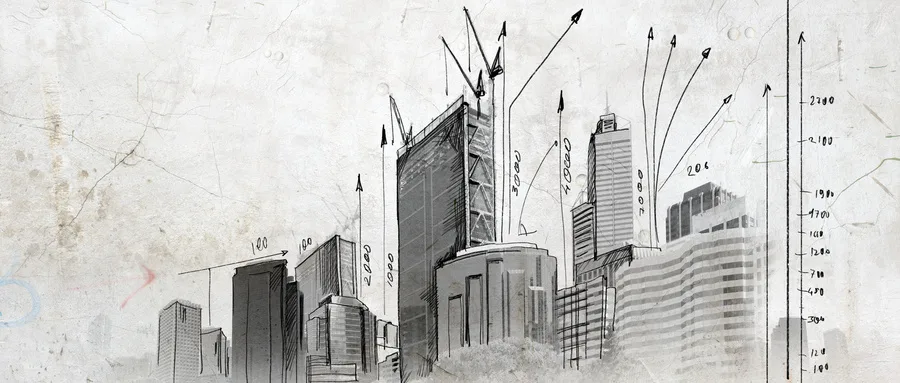
However, if the construction process is presented using 3D graphics or designs that showcase the building phases or templates, the project’s intent can be quickly and clearly understood. To address this, BIM systems incorporate visualization features that enable stakeholders to gain a comprehensive three-dimensional understanding of the construction project.
While the construction industry has produced 3D renderings during the design phase, these were traditionally created using line-based drawings and lacked data-driven interactivity. In contrast, BIM visualization automatically generates visual models based on the data of building or engineering components. This approach improves communication and coordination among project participants.
The BIM system visualizes the entire project process, providing a WYSIWYG (What You See Is What You Get) model that goes beyond simple renderings or reports. Throughout the project’s design, construction, and operation phases, every action can be visually presented to users, enhancing understanding and collaboration.
















Must log in before commenting!
Sign Up