
BIM technology plays a significant role during the construction phase, impacting areas such as on-site quality and safety management, construction process guidance, and schedule control.
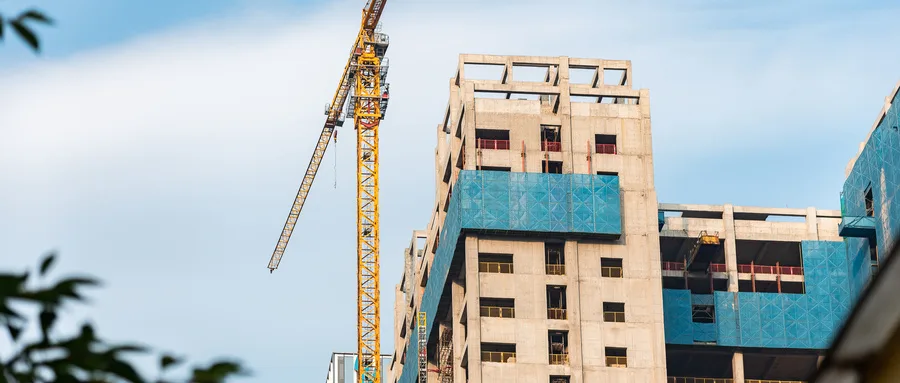
Construction teams leverage BIM’s visualization capabilities by integrating project information with the construction organization plan. This creates a virtual construction model through computer simulation, which helps optimize site layout, machinery, and equipment placement, ensuring progress, quality, and safety standards are met.
For example, during the bidding phase, BIM technology allows construction parties to clearly demonstrate the project’s construction organization design and management plans, enhancing their competitiveness. Throughout construction, virtual modeling helps identify and resolve issues early, safeguarding project timelines and budgets while improving communication among all stakeholders.
In terms of on-site safety management, intelligent handheld devices equipped with photography functions enable personnel to document hidden inspections, quality concerns, safety issues, and site conduct in real time. These annotations include location details and problem descriptions, which are uploaded instantly to a server linked with the BIM model. Authorized managers receive immediate notifications and can monitor the site remotely. Over time, this process builds a structured image database that supports efficient reuse of data and strengthens site management.
Key BIM applications in construction include visualization, comprehensive pipeline optimization, equipment lifting simulation and installation, civil engineering hole reservation and embedding, detailed design and change management, virtual construction, progress tracking, quality and safety control, and pipe fitting preparation.
















Must log in before commenting!
Sign Up