
The use of BIM technology in construction companies primarily supports construction techniques and project management. Specifically, in bridge construction, the key applications of BIM by bridge construction firms include:
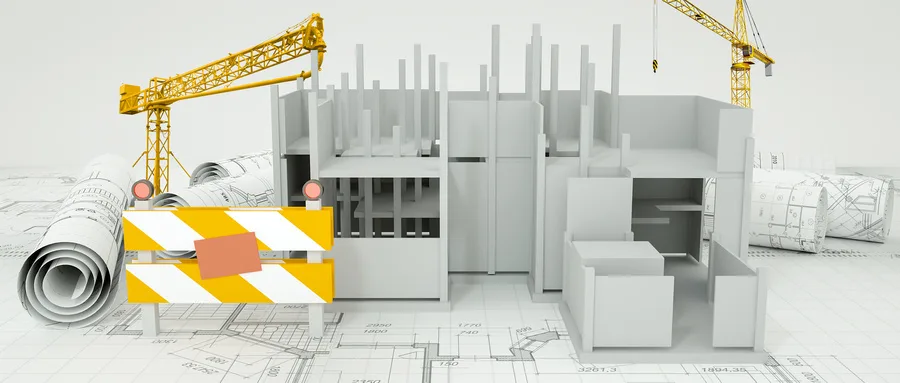
1. Enhancing the design details of construction plans;
2. Assisting with the implementation of complex and critical technologies;
3. Supporting overall project management.
Currently, the adoption of BIM technology within bridge construction units remains limited, primarily used in projects handled by large state-owned companies. Typically, BIM responsibilities fall under the technical center or technology department, with minimal involvement from on-site project teams. This limited engagement is largely due to the persistence of traditional project management methods. Introducing BIM platforms tends to increase the workload and time demands on staff, which often leads to resistance.
Over the past two years, BIM applications in construction have increasingly focused on supporting project management, simulating construction processes, and aiding decision-making for challenging technical solutions.
Regarding project management, some of the most effective collaborative platforms include Bentley’s ProjectWise from the United States and Germany’s RIB iTWO. ProjectWise is mainly used in infrastructure projects, while iTWO serves the broader construction industry. Several domestic construction firms have also adopted or developed similar platforms, often in partnership with universities, to create localized solutions aimed at achieving “three controls, three managements, and one coordination.” These platforms primarily enable users to extract, add, or modify information embedded in BIM models and utilize data effectively. Examples include quickly calculating quantities for cost control, preparing 4D/5D schedules to monitor timelines, and comparing BIM models with site photos for quality assurance.
In terms of technical challenges, BIM is used to simulate complex scenarios such as lifting main beam segments under strong wind conditions. For instance, BIM models can simulate lateral displacements caused by wind forces, helping to ensure safe and precise lifting operations while minimizing construction risks in bridge engineering.
















Must log in before commenting!
Sign Up