
1. Building BIM Models: Autodesk Revit is widely used in engineering to create detailed 3D models of buildings and structures. These models are developed based on engineering drawings and data collected from on-site inspections.
2. Clash Detection: By integrating various professional models, collision checks are performed to identify conflicts between different components, such as between buildings and structures, structural elements and HVAC systems, mechanical and electrical installations, and equipment. The process concludes with a comprehensive clash detection report.
3. Design Refinement: Using the BIM model clash report and professional requirements, issues are analyzed and the model is improved accordingly to produce a refined BIM model.
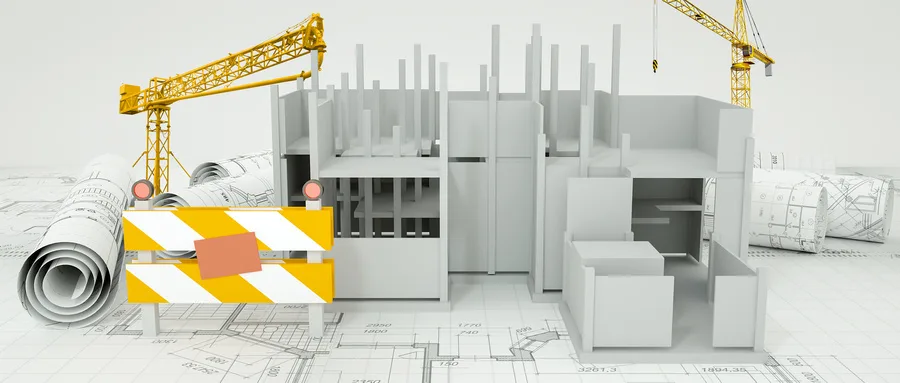
4. Communication and Coordination: BIM models serve as a communication tool among supervisors, contractors, designers, and subcontractors. They are also used to brief construction teams effectively.
5. Progress Monitoring: Project schedules are imported into the BIM model to compare planned timelines with actual construction progress. This enables reporting of planned versus actual progress and highlights deviations during weekly and monthly project meetings.
6. Quantity Takeoff: Detailed quantity data is extracted from the BIM model to create accurate work volume tables.
7. Cost Management: The BIM model facilitates precise calculation of quantities, output values, and cost control by applying unit prices to components.
8. Construction Guidance: BIM models are used to simulate construction processes and generate animations. Their visualization capabilities help guide tasks such as pipeline installation and the placement of reserved embedded parts in mechanical and electrical works.
9. Material Procurement Control: Material lists exported from the BIM model provide essential information for planning procurement. This helps reduce costs, minimize construction waste, and maximize profitability.
10. Material Cutting Optimization: BIM models manage material and scheduling information, labeling key materials with manufacturer details or quality parameters to ensure construction quality.
11. Engineering Document Management: A BIM information database categorizes and stores engineering equipment and data. During the settlement phase, when multiple documents and calculations require consolidation, BIM technology combined with 5D collaborative management streamlines the process, improving accuracy and reducing information loss.
12. Operation and Maintenance Model: The BIM model contains detailed data about equipment and materials, including manufacturers, models, and size parameters. This information supports building operations and maintenance, making it easier to trace and resolve engineering issues in the future.
















Must log in before commenting!
Sign Up