
Waste is a significant concern in the construction industry. According to statistics, the US construction sector spends 57% of its costs addressing waste issues. The losses caused by rework—often due to design errors or construction quality problems in drawings—are substantial. A 2010 survey in China’s real estate industry revealed that 77% of design firms experienced various losses stemming from drawing-related issues. The expenses incurred for construction corrections due to these problems frequently reach millions of yuan.
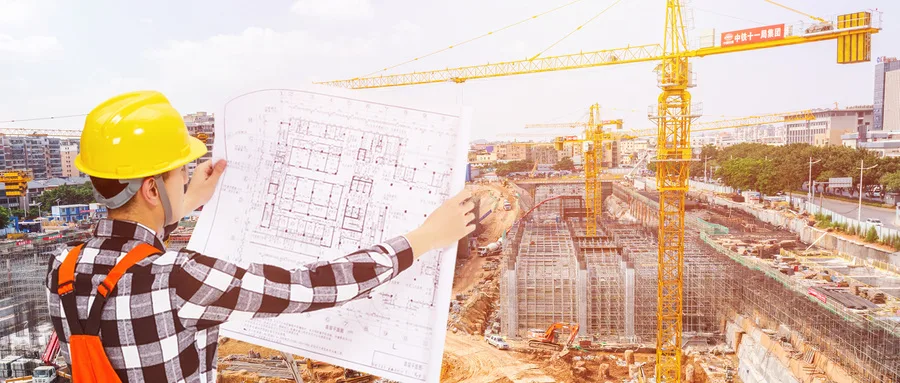
Energy consumption in the construction industry is a serious issue across many sectors. With 57% of resources wasted, the pressure on the industry continues to grow, especially in today’s low-carbon economy. BIM (Building Information Modeling) technology offers an effective solution to these challenges. Stanford University highlighted that using BIM can reduce off-budget changes by up to 40%. By identifying and correcting issues in drawings and construction processes early on, building costs can be reduced by 10%. Additionally, BIM-based building simulations help eliminate rework and changes while enabling thorough collision detection.
Collision inspection involves identifying and reporting conflicts within project components before construction, mainly during the drawing review phase. There are two types of collisions: soft and hard. Hard collisions occur when physical objects intersect, while soft collisions happen when spatial or clearance requirements are not met, even if there is no direct physical overlap. Today, BIM technology allows for effective detection of hard collisions. Common collision issues in buildings include clashes during the installation of various lines and pipelines, conflicts between structural elements and pipelines, as well as self-collisions arising in the design process.
















Must log in before commenting!
Sign Up