
Parametric design has two main aspects: parametric graphics and parametric modification engines. All graphic elements are represented as components, each characterized primarily by parameters. As digital models, these parameters encompass all the information of the graphic elements. Parameterized models are controlled by these assigned parameters. Whenever parameters are modified—whether directly or via a graphical interface—the models or charts sharing these parameters automatically update accordingly, minimizing manual intervention and significantly enhancing work efficiency and quality.
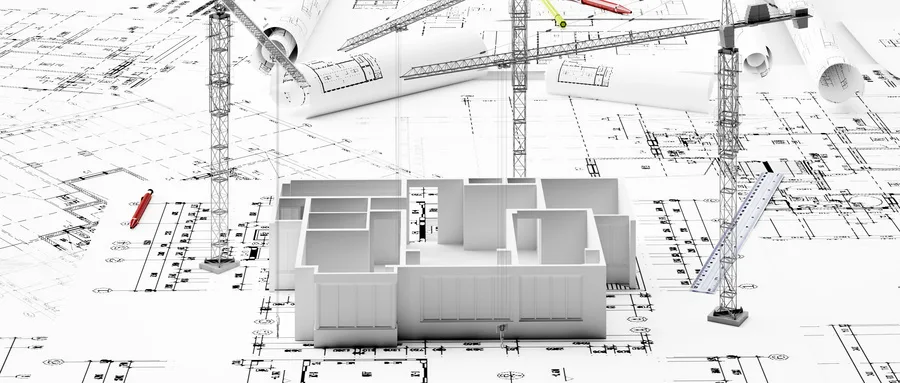
In architectural design, the rise of digital technology has accelerated development significantly. However, compared to advanced industries like automotive and aerospace, construction still lags behind. Traditional CAD technology used in architectural design primarily supports computer-aided drafting rather than true design assistance. CAD operates in two-dimensional space and focuses on architectural floor plans, which limits it to representing flat graphics such as lines, without capturing building elements or physical entities.
While CAD serves as graphic design software in architecture, its limitations in rigor make processing complex design data difficult and inefficient. Data loss rates are high, and the correlation between design elements is weak. As a result, design changes often require a complete overhaul, increasing the risk of errors and delays.
With ongoing advances in computer technology, developing comprehensive building information models has become more feasible. These digital models can accurately represent real building information beyond just visual geometry. They also incorporate material properties, component costs, and other practical data. Essentially, BIM uses digital technology to create a virtual building on a computer, with all information mirroring the actual building. This creates a building information database that fully corresponds to reality.
The core of BIM technology is a database built on 3D models that contain all relevant building data. This includes design information from architects as well as process information throughout the building’s lifecycle. BIM’s extensive data coverage enables stakeholders to access and utilize this information, improving decision-making efficiency and quality. Ultimately, this leads to higher quality buildings and greater associated benefits.
BIM technology offers several advantages. First, 3D architectural models do not constrain designers’ creativity due to tool limitations, fostering innovation. Second, these models provide a user-friendly, interdisciplinary system environment for project participants. Third, 3D models facilitate clearer design communication through intuitive visualizations. Using a single architectural model, the building is virtually constructed before physical construction begins. Fourth, 3D models enhance communication around design concepts and project management. These powerful features create a communication platform for owners and designers that surpasses what 2D drawings can provide. Particularly when discussing intricate components, misunderstandings can arise from knowledge gaps between owners and designers. However, 3D software’s intuitiveness effectively bridges this communication gap.
















Must log in before commenting!
Sign Up