
As engineering projects continue to grow in number and scale, the demand for funding increases accordingly. To ensure projects are completed successfully, it is essential to develop and implement well-structured plans, manage resources efficiently, and ultimately achieve comprehensive social and economic benefits.
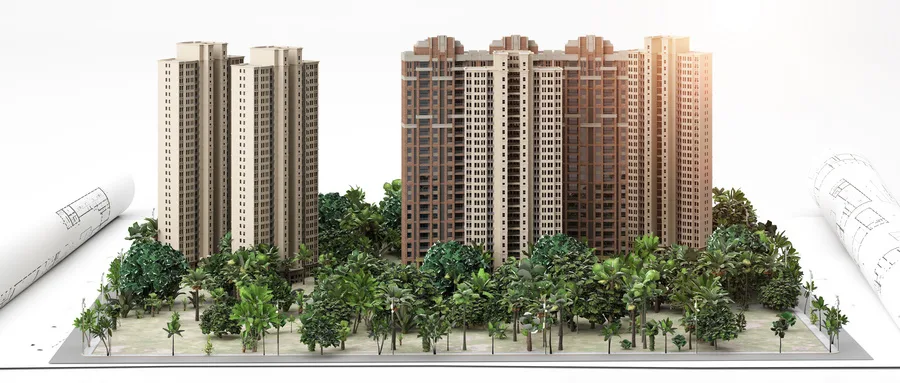
Using the BIM model, construction teams can extract project quantities based on time, area, and processes. Material costs represent a significant portion of the total expenses—approximately 50% to 60%—making material management critical in cost control. By building an associated database with BIM technology, accurate statistics can be generated for all regions, providing precise material demand data to limit requisitions.
Moreover, BIM enables timely and accurate breakdown of essential data throughout construction, allowing stakeholders to share information seamlessly. Relevant personnel can access model data for auditing purposes, helping companies plan labor and machinery more effectively while minimizing waste at every stage. From a technical standpoint, BIM supports the enforcement of material quotas and consumption control.
For example, a material control table created on a collaborative management platform allows project and company staff to access any required data at any time and from anywhere. This includes details about various materials needed by the project team, especially key materials like steel bars, formwork, and concrete.
















Must log in before commenting!
Sign Up