
(1) Support the entire lifecycle of green buildings. Both green building practices and BIM technology emphasize a comprehensive, lifecycle approach. BIM technology, with its ability to store complete and accurate information, allows all data related to the green building’s lifecycle to be preserved within a single BIM model. This unique and precise information transfer effectively addresses the inefficiencies and complexities commonly found in traditional green building information exchanges.
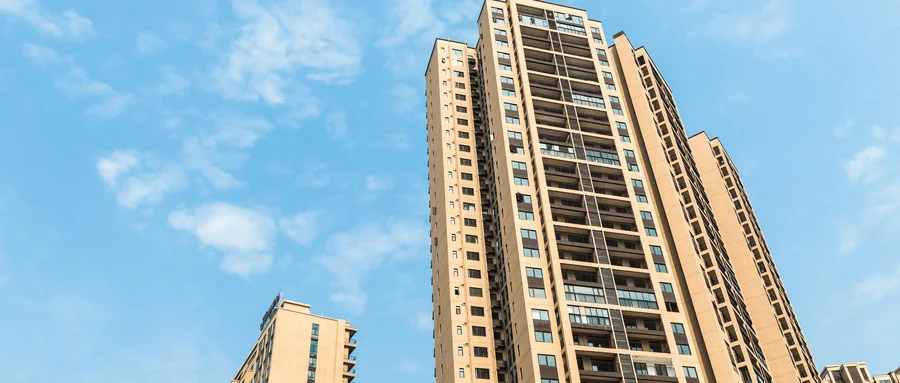
The BIM model captures details such as building geometry, construction materials, equipment systems, and manufacturer information. This data can be seamlessly transmitted from the conceptual design phase all the way through renovation and demolition. Such comprehensive information enables project stakeholders to gain a clearer understanding of the building’s status and supports efficient, rational operational management.
(2) Enable extensive performance simulations. Currently, architects involved in green building design often focus on the building’s appearance and function, similar to traditional design practices. After the initial scheme is completed, engineers select appropriate green technologies based on factors like cost and suitability to meet the “Green Building Evaluation Standards (GBT50378-2014)” for star rating compliance — an approach often described as “building first, then green.” Ideally, green buildings should integrate energy consumption considerations from the earliest design stages, as research shows that initial design decisions have the most significant impact on energy use.
Traditionally, performance simulation requires manually entering data into specialized software. Different software or models must often be rebuilt for each analysis, and operating these tools demands specific expertise, posing challenges for architects. Additionally, performance simulations typically require a well-developed design, including finalized choices of materials and insulation methods, which are often unavailable during early design stages. As a result, simulations usually occur after scheme development, when making changes is difficult, reducing their effectiveness to a symbolic step.
BIM technology addresses these challenges by storing critical information—such as component dimensions and material thermal properties—within the model. This data can be converted into GBXLM format for performance analysis and imported into relevant software, significantly simplifying and speeding up the simulation process.
(3) Facilitate multidisciplinary, cross-departmental collaboration. Green building design is a complex, integrated process involving multiple disciplines and phases. Architects, structural engineers, HVAC specialists, electrical and mechanical designers, interior and landscape designers, green building consultants, users, and others must all collaborate with a shared vision of sustainable design.
Using BIM models ensures that all parties access consistent information, enabling seamless participation throughout the design process without delays. Continuous monitoring of interrelated design elements is possible, improving communication and alignment among stakeholders. This collaborative approach fosters consensus on green building goals and allows all project members to track progress anytime, ultimately leading to the delivery of high-quality green buildings.
















Must log in before commenting!
Sign Up