
BIM, or Building Information Modeling, originated in 1975. Dr. Chuck Eastman, often regarded as the “father of BIM,” first introduced the concept of the “Building Description System” in 1974, highlighting it as the future direction of the construction industry. The establishment of the BIM concept marked a significant milestone in architectural history. Over recent decades, BIM technology has substantially improved project management efficiency within the construction sector.
BIM involves creating a detailed three-dimensional model of an actual engineering structure. This model integrates various professional data, performance metrics, functional requirements, and other relevant information. As a result, the 3D building model contains all essential details of the real building, allowing stakeholders such as project owners, constructors, designers, supervisors, and auditors to access and update information within the model. The advent of BIM technology has greatly enhanced work efficiency, construction quality, and project outcomes, effectively addressing challenges like information delays and poor communication among participating parties during construction.
Steps of BIM Technology for Construction Management of Super High-Rise Buildings
The following outlines the simulation operation steps for managing the construction of super high-rise projects:
- Reference and import the model, organizing it into a collection;
- Develop a project schedule plan;
- Set simulation parameters, then simulate and debug;
- Set camera waypoints and export the simulation.
For a detailed workflow, please see the diagram below.
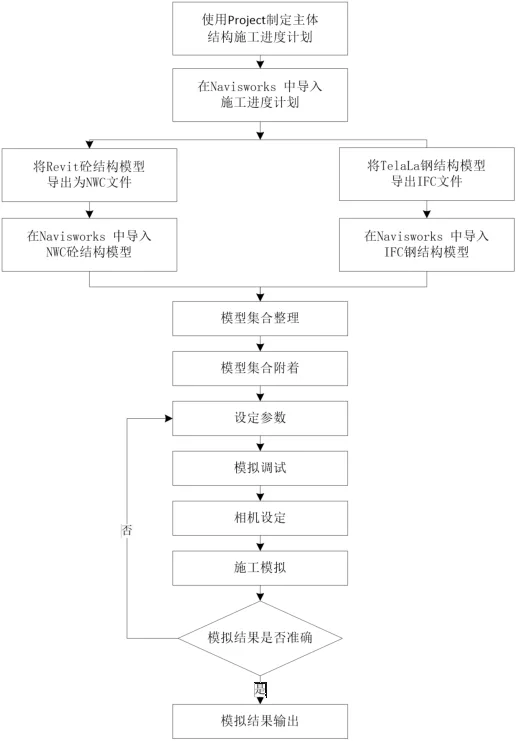
Figure 1: Construction Simulation Process Diagram
















Must log in before commenting!
Sign Up