
Prefabricated construction replaces traditional cast-in-place methods by fabricating building components off-site in a controlled factory environment. This approach supports the industrialization of the construction industry by breaking down buildings into individual components, designing these components in detail with processing drawings, and then manufacturing them in the factory before transporting them to the site for assembly. Compared to conventional methods, prefabrication involves significantly more detailed information, which complicates information management. Without appropriate management systems, seamless information transmission and sharing during construction cannot be achieved.
Mass production in factories introduces risks such as design errors, mold inaccuracies, misaligned reserved holes, and quality defects. These issues can lead to widespread component errors and substantial resource waste. To mitigate these risks, Building Information Modeling (BIM) technology is employed during the prefabricated component processing stage. BIM effectively supports production preparation, manufacturing, and logistics management.
Preparation for Prefabricated Production
The design process involves refining the split prefabricated components and utilizing standardized libraries to quickly determine the processing models, as illustrated in Figure 1. This results in detailed two-dimensional drawings used for manufacturing. The processing model accurately reflects essential construction information such as geometric dimensions, reinforcement details, concrete cover thickness, reserved holes, and hanger positions. Additionally, mechanical and electrical pipeline information, fittings, and equipment requirements are incorporated based on site construction needs.
After validating the data, processing drawings are finalized along with production schedules and material lists, which are then fed directly into digital manufacturing equipment.
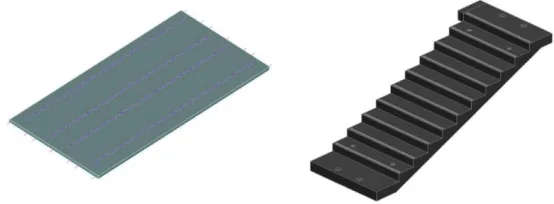
Figure 1: BIM Processing Model of Prefabricated Components
Once the processing model is complete, the information can be shared to assist in mold design and further data verification. Prefabricated component factories lead the mold design and production process, where the accuracy of the mold directly impacts the quality of the manufactured components. The more precise the component model, the higher the mold production accuracy. Looking ahead, AI-based supervision could enable automated detection of dimensional errors, proper embedding of fastening elements, and ensuring corner molds maintain squareness, allowing timely error identification.
Prefabricated Production
1. Production Plan Simulation
Factory environments for prefabricated component manufacturing involve complex equipment and processes. Using BIM models to simulate production scenarios in a virtual setting helps identify mold assembly errors early. This allows for timely corrections to molds, ensuring smooth component manufacturing, as shown in Figure 2. Virtual production simulations enable thorough examination of the manufacturing process, prompt handling of anomalies, and prevention of costly rework. Additionally, simulation-based instructions help workers quickly understand the production environment and tasks, boosting efficiency.
2. Collision Detection
Using BIM technology, prefabricated vertical and horizontal components are assembled virtually within the factory to detect potential clashes, such as conflicts between steel reinforcements and pipelines. Early identification of these issues allows for adjustments to the layout of steel bars and pipelines before actual production.
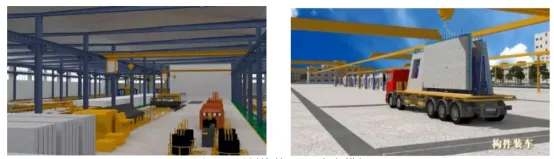
Figure 2: BIM Production Simulation of Prefabricated Components
Logistics Management of Prefabricated Components
Prefabricated components are tracked using QR codes or RFID chips containing comprehensive information such as manufacturer details, component number, name, building and floor location, specifications, dimensions, production date, concrete volume and strength, reinforcement details, steel manufacturer, concrete grade, cement supplier, and more. Project details like the construction company and supervising units are also included.
This system facilitates quality control by enabling rapid verification of component production and factory standards, ensuring compliance with construction and quality regulations. QR code scanning provides quick and accurate data input, streamlining inventory management on-site. Upon arrival at the construction site, scanning the QR code instantly reveals component information, simplifying inventory control and factory communication.
















Must log in before commenting!
Sign Up