
The construction phase is a pivotal stage where the designed product is transformed into a tangible entity. It is also the most complex phase for owners to manage. Coordination among all parties centers around the owner, with the three primary project management goals being quality, cost, and schedule. Equally important is safety management, which must not be overlooked. BIM technology plays a crucial supportive role in achieving these objectives, offering significant value to the owner’s project management efforts. The following analysis highlights its impact:
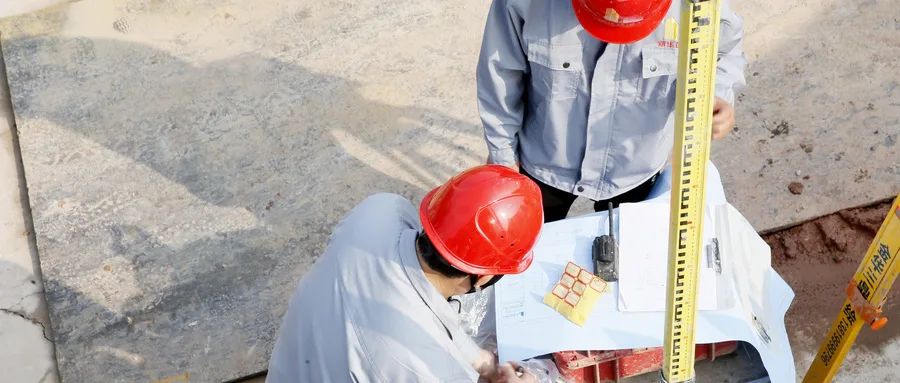
Quality Control: Traditional quality management involves three stages: pre-control, during-construction control, and post-control. Pre-control analyzes potential risk factors, assesses their impact on the project, and develops proactive risk response strategies to prevent negative effects. During construction, real-time project monitoring allows for prompt issue resolution, using the fastest and most accurate methods to minimize losses. Post-control consolidates risks encountered and response measures into valuable lessons, offering effective guidance for future projects. Employing the PDCA (Plan-Do-Check-Act) cycle ensures well-structured project management: planning thoroughly, executing precisely and on time, inspecting regularly, and handling issues fairly and according to standards. Within the BIM model, potential quality challenges are anticipated, and implementation plans and specific construction phases are carefully considered. This proactive approach helps eliminate risk factors affecting quality, minimizing the likelihood of issues.
Cost Control: BIM technology enhances cost management by accelerating quantity calculations and simplifying processes. By incorporating detailed information about materials, BIM models allow precise calculation of quantities and pricing for individual items, improving cost accuracy. This transforms traditional broad cost management into a refined approach, enabling multiple comparative analyses for real-time cost monitoring and better financial control for owners.

Schedule Control: Timely project completion is critical as it directly influences subsequent operations and related tasks. BIM models enable pre-construction clash detection, identifying pipeline conflicts early to reduce rework, save time, and cut costs. Construction simulations provide intuitive and visual technical briefings, enhancing the skills of construction personnel and clearly demonstrating expected outcomes. Sharing BIM models among multiple stakeholders improves coordination and communication, reduces rework, and ensures the project progresses smoothly.
Safety and Archive Management: BIM supports mobile devices for on-site data collection and transmission, allowing owners to monitor project progress in real-time. This also enables live recording of operators’ and safety personnel’s activities, which is vital for effective safety management. As the project advances, the accumulation of archive data makes management increasingly complex. BIM technology facilitates categorized archive management, significantly enhancing archival capabilities.
















Must log in before commenting!
Sign Up