
The benefits of BIM technology in managing engineering project information are primarily reflected in the following areas:
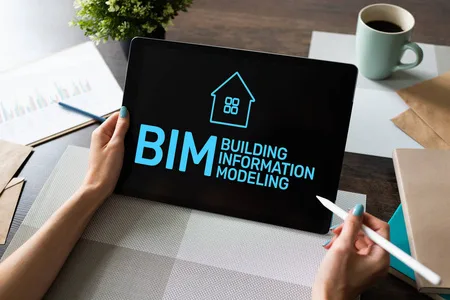
1. Advantages of BIM in Information Creation: In engineering project information management, creating accurate and complete information is fundamental and critical. BIM technology offers significant improvements over traditional methods in terms of how information is created, the mediums used, and the precision of the data representation.
2. Advantages of BIM in Information Integration: Reliable information underpins effective decision-making. The ability of managers to access timely, comprehensive, and accurate project data is crucial. BIM technology excels in integrating information efficiently and enables seamless information sharing, making it highly valuable in engineering project management.
Information integration involves not only consolidating data from various stakeholders but also continuously enriching the BIM model with information from different project stages as the work progresses. This process greatly enhances the completeness and accuracy of the project information.
3. Advantages of BIM in Information Transmission and Sharing: Traditionally, information flows in a “point-to-point” manner, with limited bidirectional communication between stages such as decision-making, design, construction, and operation. This often restricts participants to their primary work phases and creates “information gaps” that reduce transmission efficiency and limit the overall value of the information.
In contrast, BIM-based information transmission overcomes these challenges by preventing data loss and allowing all project participants to engage in information management throughout the entire project lifecycle. This continuous involvement maximizes the utilization and value of project information.
















Must log in before commenting!
Sign Up