
BIM, or Building Information Modeling, is an engineering data model that integrates various relevant details of construction projects using three-dimensional digital technology. It provides a comprehensive representation of project-related information. For complex or uniquely shaped buildings, it can be challenging for designers to fully communicate their intentions to engineers using only two-dimensional drawings. This often results in inconsistent transmission of design information, incomplete data exchange, and delays during the construction implementation phase.
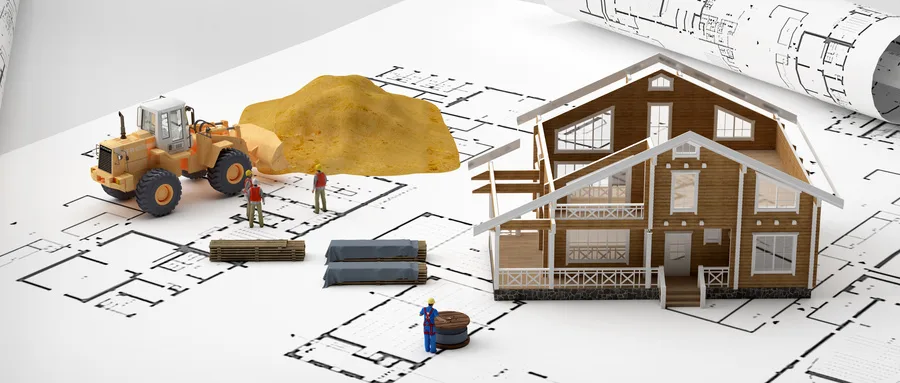
BIM applies digital technology directly to construction engineering, addressing the challenge of representing construction projects in software. It enables designers and engineers to accurately access and respond to various building information, laying a strong foundation for collaborative work. Throughout different stages of a construction project, stakeholders can modify and extract data from BIM models, fostering seamless collaboration among professionals.
As a digital approach to design, construction, and management, BIM supports an integrated project management environment. Its application significantly enhances efficiency and reduces risks across the entire project lifecycle, ultimately delivering substantial economic benefits.
The operation and maintenance phase is the final—and longest—stage in an engineering project’s lifecycle. This phase involves managing a vast amount of data, which can be more complex than the design and construction stages.
Currently, the operation and maintenance phase faces several challenges, including difficulties in accessing data, outdated management methods, high equipment maintenance costs, inefficient space utilization, and a lack of emergency management systems.
BIM technology effectively integrates various professional models and transfers information from the design and construction phases into operation and maintenance. This allows maintenance personnel to gain detailed insight into equipment component parameters. Additionally, BIM’s visualization capabilities reveal building details often overlooked in daily use, assist in locating and inspecting hidden equipment pipelines, and generate accurate drawing records.
Moreover, BIM’s powerful data analysis tools have enabled its application across multiple aspects of operation and maintenance, such as equipment management, space utilization, asset tracking, safety oversight, and energy consumption analysis. BIM has already demonstrated economic benefits in these areas. As research into BIM during the operation and maintenance phase advances, its potential value will continue to grow. Due to space constraints, further details will not be covered here.
















Must log in before commenting!
Sign Up