
The application of BIM technology in cost control during the construction phase of engineering projects includes the following key aspects:

1. Refined BIM Models
Creating a detailed BIM information model is the foundation of BIM applications in construction and is essential for effective cost control. Based on previous discussions on the pros and cons of various modeling software, Revit is selected as the primary tool during the construction phase.
To better support construction activities and achieve cost control goals, the BIM model must improve its accuracy, ensuring precise engineering quantities. Importantly, the model should not be limited to a single discipline or scope. It should incorporate all components involved in construction that generate cost data to minimize omissions and better control expenses.
For example, during BIM modeling, besides traditional civil engineering and piping models, it is essential to include steel reinforcement, embedded parts, site layouts, temporary construction elements, infrastructure, and key location models. In summary, a refined BIM model is crucial for effective cost control throughout the construction process.
2. Assisted Drawing Review
Drawing review is the process where all project participants—including construction teams, supervisors, and equipment manufacturers—examine the design drawings provided by the design institute. They familiarize themselves with the documents, identify issues, and provide feedback for corrections.
Traditional drawing reviews rely on 2D CAD drawings, which lack visualization and intuitiveness. This often leads to oversights, and many design flaws, particularly conflicts between different disciplines, go undetected. Reviewers may struggle to make accurate judgments, with problems sometimes only discovered during construction or even after completion. Such late discoveries cause design changes, significant delays, quality risks, and substantial cost overruns.
By leveraging BIM technology, 3D models enable the identification of issues that are difficult to detect in traditional reviews, such as clashes between disciplines, insufficient clearances, and overlapping components. This facilitates timely detection and allows for relevant modification suggestions to be made.
3. Construction Site Layout
Traditionally, construction site layouts rely heavily on the experience of technical personnel and 2D plan annotations. This often causes local collisions and overlaps, leading to extensive rework, construction delays, and increased costs.
With the rise of large-scale buildings and growing urban land constraints, construction resource allocation has become more dynamic, making traditional site layout methods insufficient.
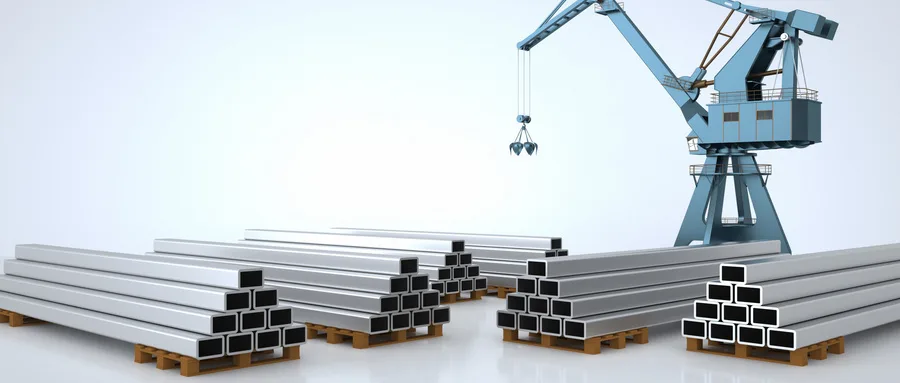
Using BIM technology to plan construction site layouts allows for dynamic arrangement of material storage areas, tower cranes, and transportation routes through detailed site facility models. This enables continuous adjustment and optimization before and during construction, selecting the best layout plan.
Site layout through BIM allows automatic calculation of quantities for various measures and projects, enabling cost estimation via budgeting software. Virtual simulations help construction teams better understand work zones and preparation status, optimize construction sequences, and ensure site layouts align with actual needs, improving efficiency and reducing waste.
The BIM-based construction site layout process includes:
① Creating a BIM model of the construction site;
② Dynamically allocating resources based on the construction schedule, with macro-level evaluation of labor, materials, and machinery allocations;
③ Dividing the site into zones to analyze and manage materials, equipment, and transportation routes effectively;
④ Conducting collision detection and walkthrough analyses using BIM software to identify errors and omissions, continuously adjusting and optimizing the layout to develop the best construction plan.
















Must log in before commenting!
Sign Up