
The operation and maintenance phase of construction projects, which reflects the project’s value, represents the longest stage in its lifecycle and incurs the highest costs. This phase is crucial because if the development team can deliver comprehensive and detailed project information to the operation and maintenance team upon completion, a well-structured maintenance plan can be created to reduce costs. This approach minimizes expenses over the entire lifecycle of the project.
However, traditional management models often lack complete data due to missing change records and other issues. As a result, the operation and maintenance teams do not receive full project information, leading to challenges in managing maintenance effectively.
By adopting BIM technology, all engineering drawings, construction details, and related data from the design and construction phases can be consolidated and stored in a unified format within the BIM model. Extending BIM’s application into the operation and maintenance phase is therefore highly beneficial.
With BIM models, maintenance teams gain a comprehensive understanding of the project. They can quickly access specific facility data—such as models, dimensions, and spatial relationships—through visualization features. This makes staff training more efficient and simplifies maintenance management, ultimately reducing operational costs.
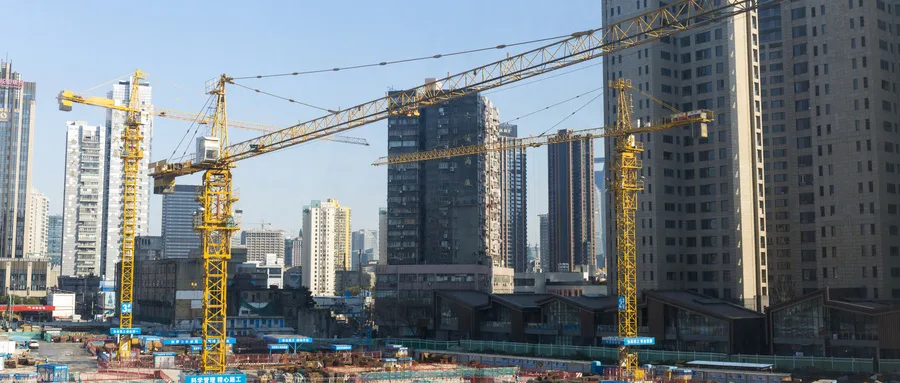
Throughout a construction project’s service life, continuous maintenance of structural and equipment facilities is essential. Using BIM models, operation and maintenance teams can easily retrieve design parameters, functional details, and maintenance records for all project facilities and equipment.
By integrating BIM with maintenance management systems and utilizing BIM’s spatial positioning capabilities, it becomes possible to develop effective maintenance plans. These plans ensure regular upkeep, timely repairs, and equipment replacement, which reduce depreciation rates, extend equipment lifespan, and lower maintenance and upgrade costs—ultimately saving on total maintenance expenses.
Additionally, BIM models can analyze energy consumption data collected from water, electricity, and gas meters on a regional basis. This helps quickly identify any anomalies in energy usage. Targeted inspections can then be conducted in those areas, followed by equipment adjustments to restore normal energy consumption levels, minimize waste, and reduce costs.
In summary, applying BIM technology to cost management throughout all stages of construction projects enhances efficiency and accuracy in controlling expenses. Establishing a full lifecycle cost management system based on BIM allows for dynamic coordination between cost controls at each phase. This approach effectively manages total project costs, improves investment efficiency, and maximizes project value.
















Must log in before commenting!
Sign Up